

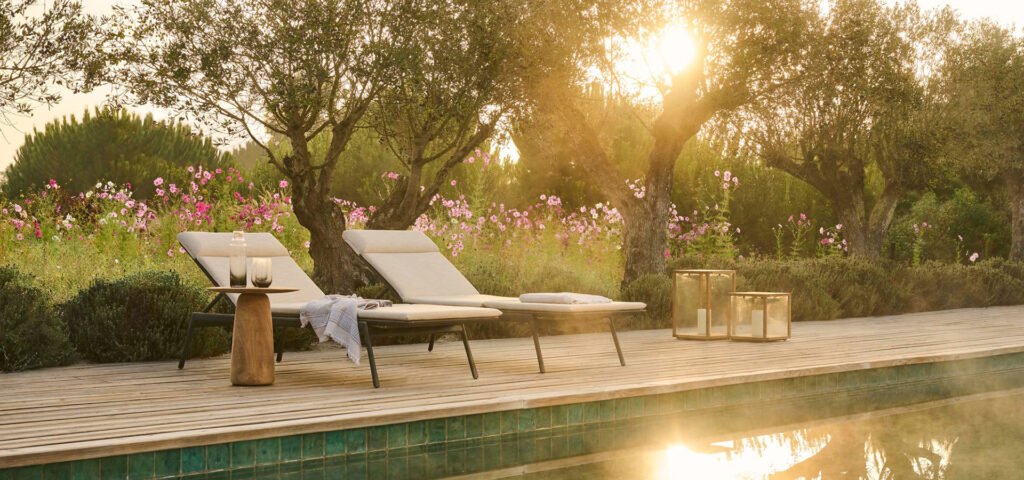
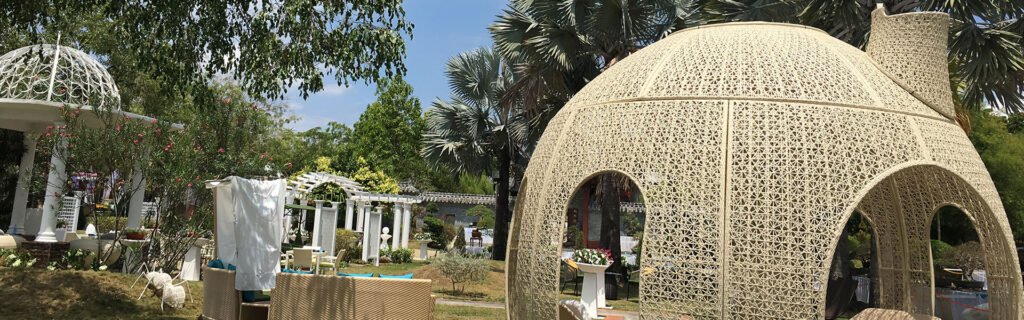
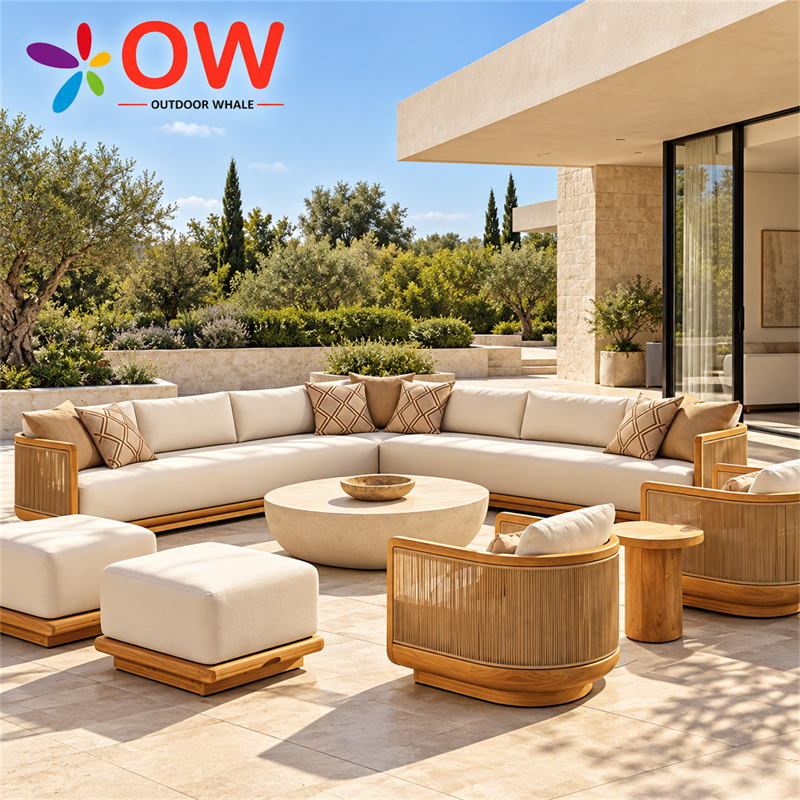
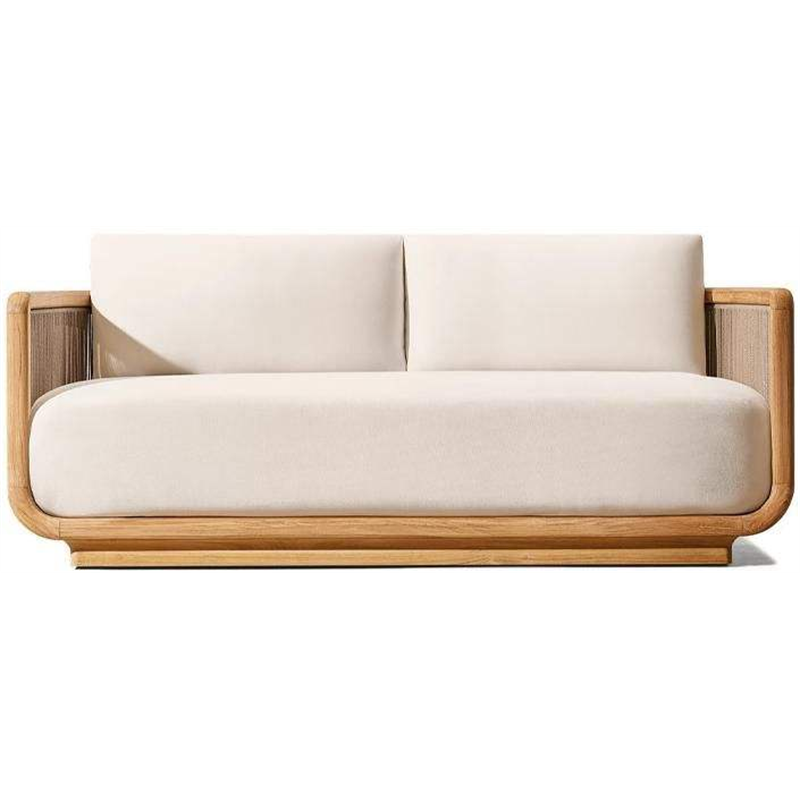
Outdoor Whale’s modern teak outdoor sofa set combines a teak wood frame, woven side panels and cream-colored cushions. Its rounded lines and natural wood grain create a warm, relaxed setting for villa patios, gardens, hotel terraces and resort lounge areas.
The coordinated collection can include a sofa, lounge chairs, ottomans and a coffee table, making it suitable for residential outdoor spaces, hotels and hospitality projects. Its neutral colors pair easily with contemporary, Mediterranean and resort-style settings.
Product highlights
- Teak wood frame with natural wood grain and rounded edges
- Cream-colored seat and back cushions
- Woven side details for added texture
- Coordinated pieces for flexible outdoor layouts
- Suitable for patios, gardens, poolside lounges, hotels and resorts
- OEM/ODM customization available for project requirements
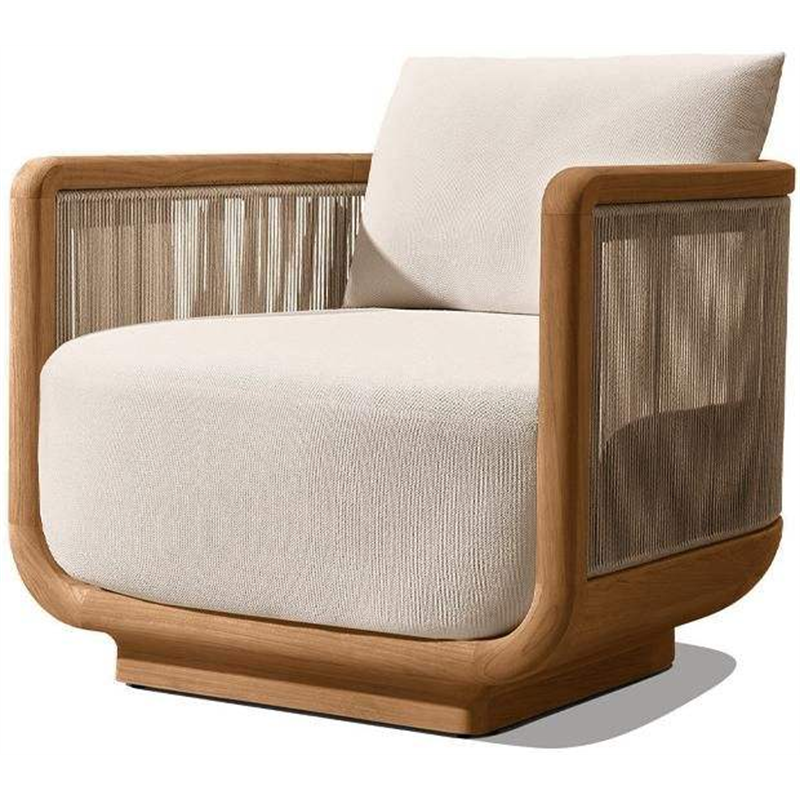
Choosing a Teak Outdoor Sofa Set for Your Project
This teak outdoor sofa set combines a teak frame, woven side panels and cream cushions. The rounded frame creates a softer profile, while the neutral upholstery allows the collection to complement stone paving, timber decking and planted courtyards.
Before ordering, confirm the dimensions of each seating piece and the space available for your layout. Leave enough room for guests to move between the sofa, lounge chairs and tables. For hotel and resort projects, also consider how the seating arrangement supports conversation, circulation and daily cleaning.
Frequently Asked Questions
What material is used for the frame?
The sofa and lounge chair frames are made from teak wood. The collection pairs the timber frame with woven side details and upholstered cushions.
Which pieces are included in the order?
The images show different seating configurations. Confirm the sofa type, number of chairs, ottomans and tables in your quotation before placing an order. The final set contents depend on the configuration selected.
Can I discuss customization for a project?
Yes. Contact Outdoor Whale to discuss OEM/ODM requirements. Share your preferred layout, quantities and delivery destination so our team can confirm available options and prepare a quotation.
Outdoor furniture is not just functional it can also enhance the overall look and feel of your patio or garden. In particular an outdoor bar table serves both as a social hub and a stylish addition to your outdoor space. This guide provides comprehensive advice from selection and materials to styling and maintenance so you can create the ideal bar area in your backyard or terrace.
Why Invest in an Outdoor Bar Table
Investing in an outdoor bar table is about more than aesthetics. It offers practical benefits and long-term value
- Versatility: Perfect for lounging, dining, entertaining or socializing
- Visual Appeal: A high-quality bar table can become a focal point of your outdoor space
- Long-Term Value: Durable materials and weather-resistant design reduce the need for frequent replacements
Example: A coastal family placing an aluminum-frame outdoor bar table near their pool found it remained sturdy and attractive even after years of exposure to sun and rain
Types of Outdoor Bar Tables
The type of table you choose depends on space, usage and style
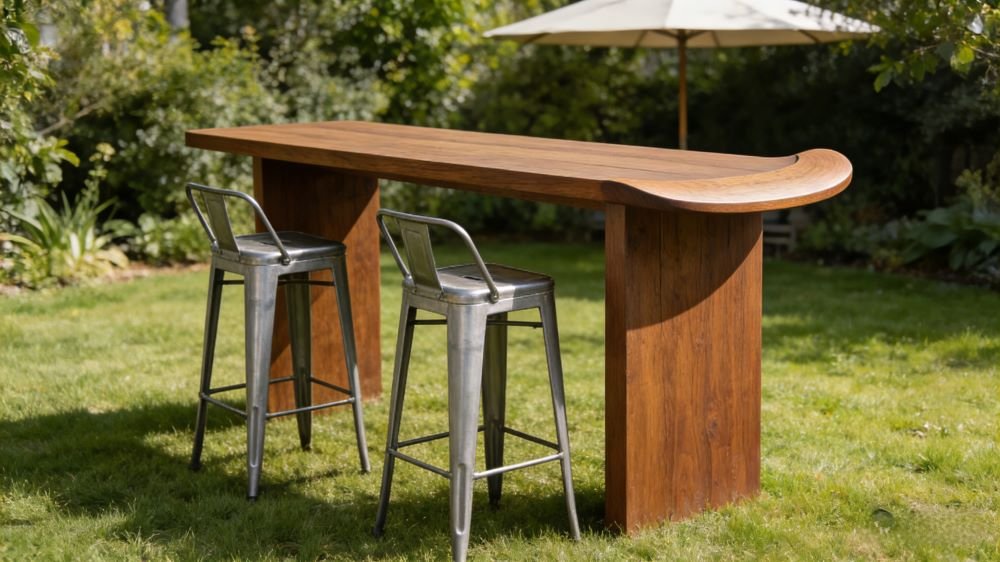
1. High-Top Bar Tables
- Best For: Small gatherings or terrace bar setups
- Benefits: Ideal for standing or pairing with bar stools and encourages social interaction
- Note: Requires matching high stools and sufficient open space
2. Counter-Height Bar Tables
- Best For: Casual family dining or extended seating
- Benefits: Comfortable for sitting and suitable for longer meals
- Tip: Pair with bar chairs or benches for flexibility
3. Foldable / Portable Bar Tables
- Best For: Balconies, temporary gatherings, camping or compact patios
- Benefits: Space-saving and easy to move
- Note: Slightly less stable and not ideal for large parties
4. Corner / Modular Bar Tables
- Best For: Large outdoor spaces or custom layouts
- Benefits: Flexible configuration and adaptable to various events
- Tip: Plan layout in advance to maintain clear traffic flow
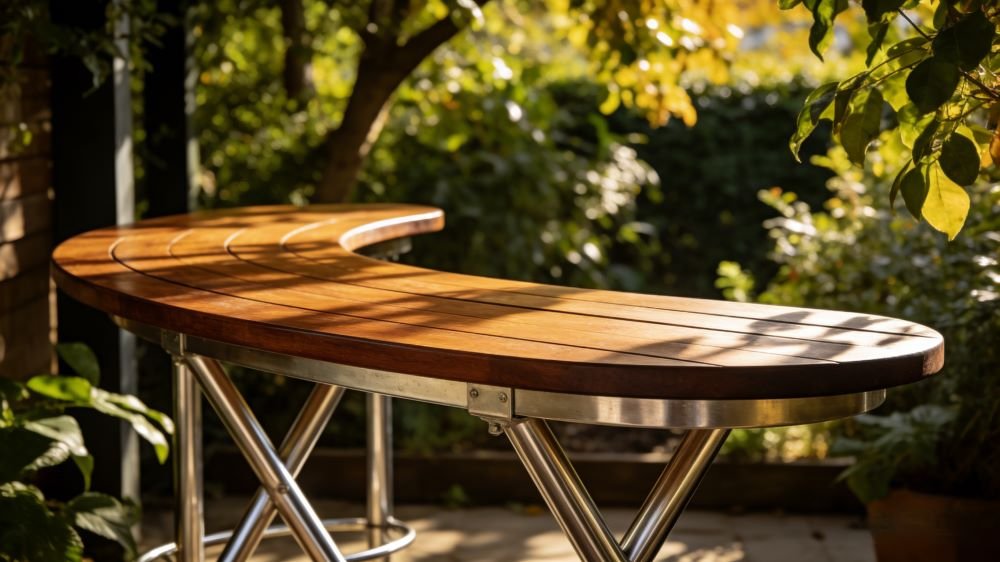
Materials and Durability
Material choice affects the durability, comfort and maintenance of your outdoor bar table
| Material | Benefits | Maintenance Tips |
|---|---|---|
| Wood (Teak, Acacia, Eucalyptus) | Natural beauty and weather-resistant | Apply protective oil or varnish regularly and avoid prolonged sun or water exposure |
| Metal (Aluminum, Steel, Iron) | Sturdy, rust-resistant and long-lasting | Aluminum is ideal for coastal areas while iron requires rust-proof treatment |
| Synthetic Wicker / Resin | UV-resistant, waterproof and fade-resistant | Dust regularly and avoid sharp objects that can scratch the surface |
| Tabletop Materials (Glass, Stone) | Modern aesthetic and easy to clean | Avoid heavy or sharp objects and wipe surfaces regularly |
Tip: For coastal or rainy climates aluminum frames combined with water-resistant cushions offer the best balance of durability and ease of care
How to Choose the Right Outdoor Bar Table
Selecting the perfect outdoor bar table involves evaluating space, seating, style and environmental factors
- Space Assessment
- Measure your patio, terrace or balcony
- Leave enough clearance for movement and safety
- Seating Capacity
- Allow 24–28 inches per person for comfortable seating
- For larger gatherings consider modular or sectional tables
- Style Coordination
- Match table color with flooring, greenery and umbrellas
- Modular tables provide flexible arrangements for multiple scenarios
- Environmental Considerations
- Opt for fade-resistant fabrics in sunny areas
- Rust-resistant frames are ideal for humid or coastal climates
- Practical Tips
- Portable or foldable tables are perfect for temporary events
- Small balconies benefit from two-seater or compact designs
Styling and Decorating Your Outdoor Bar Table
- Pair with bar stools and comfortable cushions for enhanced seating
- Decorate the tabletop with potted plants, string lights or candles
- Add a patio umbrella or canopy to improve comfort and shade
- Layout suggestions: place against a wall for small spaces and use modular arrangements for larger areas
Maintenance and Cleaning Tips
Proper maintenance can significantly extend the lifespan of your outdoor bar table
- Daily Cleaning
- Wipe away dust, spills and crumbs with a soft cloth or sponge
- Remove and clean cushions or use protective covers
- Seasonal Care
- Cover the table when not in use to protect against rain and sun
- Check screws and joints regularly for stability
- Material-Specific Care
- Wood: Apply protective oil or varnish
- Metal: Inspect rust-proof coating
- Wicker or resin: Brush off dust and avoid sharp objects
- Tips for Longevity
- Avoid placing heavy items on the tabletop
- Prevent prolonged exposure to direct sunlight or standing water
Frequently Asked Questions (FAQ)
Q1: Can outdoor bar tables be left outside year-round?
A: Yes, but using protective covers during harsh weather helps prolong their lifespan
Q2: How can I protect my bar table from sun and rain?
A: Use water- and UV-resistant covers and clean regularly
Q3: Which material is best for coastal areas?
A: Aluminum frames with water-resistant cushions are durable and easy to maintain
Q4: How can I fit a bar table into a small balcony?
A: Choose compact or portable tables and place them against a wall to maximize usable space
Conclusion
Choosing the right outdoor bar table requires careful consideration of materials, space, seating capacity, style and environmental factors. By making informed choices and maintaining your furniture properly you can enjoy a stylish, comfortable and long-lasting outdoor bar area
For expert advice or to select premium outdoor bar tables for your patio, terrace or commercial space contact our professional team at info@ligointl.com
When people search for how to clean pvc outdoor furniture, they are usually not just asking whether it can be cleaned. What they really want to know is:
- Why does PVC furniture still turn yellow even after cleaning
- Whether strong cleaners will damage the surface
- How often cleaning is actually necessary
- If cleaning methods affect the lifespan of the furniture
This guide addresses those real concerns by combining material knowledge, real-world use scenarios, and practical, proven cleaning methods.
Understanding PVC Outdoor Furniture Before Cleaning
Before diving into how to clean pvc outdoor furniture, it is important to understand the material itself.
PVC (Polyvinyl Chloride) outdoor furniture is popular because it offers:
- A dense surface that does not easily absorb water
- Good resistance to rain and moisture
- Low day-to-day maintenance requirements
However, PVC is not completely maintenance-free. Long-term exposure to certain conditions can still affect its appearance and performance, including:
- Strong and continuous UV exposure
- Air pollution or salty coastal environments
- Standing water or poor ventilation
Knowing this helps avoid over-cleaning or using the wrong cleaning methods.
Why PVC Outdoor Furniture Gets Dirty or Discolored
A common question is, “Why does my PVC outdoor furniture look older than expected?”
The most common reasons include:
- Dust and airborne particles that gradually settle on the surface
- Bird activity, as bird droppings contain acidic substances that can stain if left too long
- Mold and mildew growth, which usually forms on surface residue rather than the PVC itself
- UV exposure, which may cause mild yellowing over time
The good news is that most of these issues can be minimized or prevented with proper cleaning and care.
What You Really Need to Clean PVC Outdoor Furniture
Many cleaning problems come down to using the wrong tools or products.
Recommended Tools That Are Safe and Effective
- Soft sponges or microfiber cloths
- Soft-bristle brushes for joints and corners
- Warm water
Recommended Cleaning Solutions
- Mild dish soap
- Gentle soap solutions
- Diluted white vinegar for water stains or light mildew only
What You Should Avoid Using
| Not Recommended | Why |
|---|---|
| Steel wool or hard brushes | Can cause permanent scratches |
| Strong acidic or alkaline cleaners | May damage surface stability |
| Undiluted bleach | Can lead to discoloration and brittleness |
| Solvent-based cleaners | May weaken the surface layer |
How to Clean PVC Outdoor Furniture Step by Step
Step 1: Start With Dry Cleaning
Before using any water, remove loose debris such as dust, sand, leaves, or insects.
This prevents small particles from being rubbed into the surface during washing, which can cause micro-scratches.
Step 2: Gentle Washing Is Essential
Mix warm water with a mild cleaning solution and wipe the surface with a soft cloth or sponge.
For best results:
- Clean from top to bottom to avoid recontamination
- Use light, even pressure rather than aggressive scrubbing
- Use a soft brush only in seams or hard-to-reach areas
This is one of the most important steps in how to clean pvc outdoor furniture, yet it is often overlooked.
Step 3: Handling Specific Types of Stains
Not all stains should be treated the same way.
Bird Droppings
- Clean as soon as possible before they dry completely
- Moisten the area first, then wipe gently
Mold or Mildew Spots
- Use a mild cleaning solution
- Treat small areas gradually rather than scrubbing aggressively
Grease or Food Residue
- Mild dish soap works best
- Avoid heavy degreasers designed for industrial use
Step 4: Rinse Thoroughly and Dry Properly
Cleaner residue is a common cause of streaks and surface dullness.
Best practices include:
- Rinsing thoroughly with clean water
- Drying with a clean cloth or allowing air drying in a ventilated area
- Avoiding direct, intense sunlight while the furniture is still wet
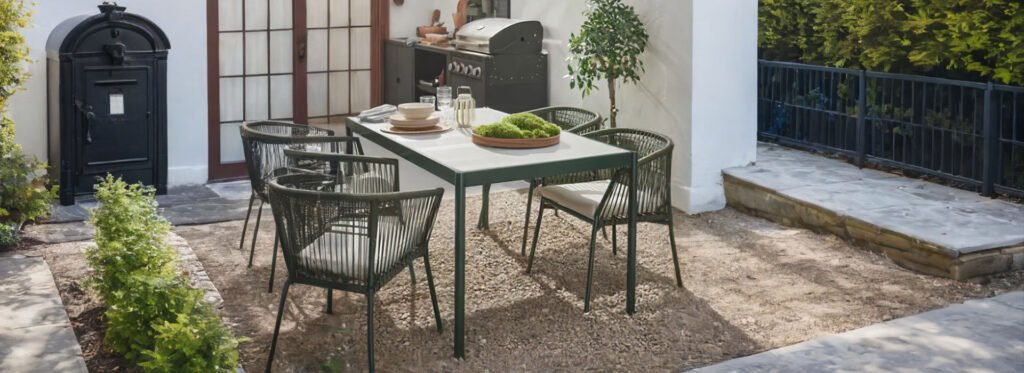
How Often Should You Clean PVC Outdoor Furniture
Many users ask whether more frequent cleaning is better. In most cases, it is not.
| Environment | Recommended Frequency |
|---|---|
| Residential patios or balconies | Every 4 to 6 weeks |
| Humid or coastal areas | Every 3 to 4 weeks |
| Commercial outdoor spaces | Every 2 to 3 weeks |
A more thorough cleaning before and after seasonal changes is also strongly recommended.
Common Mistakes That Reduce Furniture Lifespan
When discussing how to clean pvc outdoor furniture, these mistakes appear frequently:
- Using pressure washers at close range
- Assuming stronger cleaners equal better results
- Ignoring regular maintenance until stains become severe
These practices can accelerate aging rather than improve cleanliness.
Long-Term Care Tips Beyond Cleaning
Cleaning is only one part of proper maintenance. To truly extend the lifespan of PVC outdoor furniture, consider the following:
- Use protective covers during off-season periods
- Ensure good airflow around furniture bases
- Avoid allowing water to pool on surfaces
- Periodically check joints and connection points
Professional outdoor furniture manufacturers design products with these long-term usage factors in mind.
Expert Insight From Outdoor Furniture Manufacturers
From a manufacturing perspective, the combination of proper cleaning, correct usage, and routine care makes a significant difference in product longevity.
High-quality PVC outdoor furniture is typically designed with:
- Easy-to-clean surfaces
- Stable structural support
- Long-term outdoor performance in mind
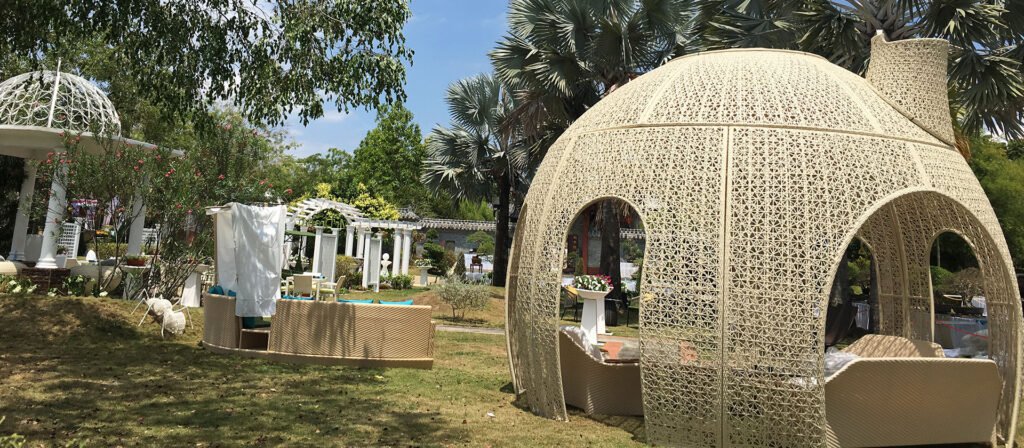
Final Thoughts
Understanding how to clean pvc outdoor furniture correctly helps maintain both appearance and functionality over time.
Rather than replacing furniture frequently, proper cleaning and care offer a more cost-effective and sustainable solution.
If you are considering durable, low-maintenance outdoor furniture, choosing an experienced manufacturer is just as important as knowing how to care for the product.
Transform your outdoor space with premium PVC furniture. Reach out to us at info@ligointl.com to get a quote or consultation.
For many residential and commercial outdoor spaces, birds are not an occasional inconvenience but a recurring and persistent issue. Bird droppings do more than affect appearance. Over time, they can:
- Damage wood finishes and protective coatings
- Leave stubborn stains on cushions and fabrics
- Attract insects and increase cleaning frequency
- Reduce the overall comfort and enjoyment of outdoor areas
This is why so many people search for how to keep birds off outdoor furniture. They are not looking for aggressive or harmful solutions, but for methods that are effective, safe, and humane.
In this guide, we take a practical approach. By understanding bird behavior and applying proven, real-world strategies, you can protect your outdoor furniture while maintaining a clean and welcoming patio.
1. Understanding Bird Behavior: Why Birds Choose Your Outdoor Furniture
Before choosing any deterrent, it helps to understand one key question:
Why are birds choosing your furniture in the first place?
1.1 The Main Reasons Birds Are Attracted to Outdoor Furniture
Birds are drawn to outdoor furniture for very specific reasons:
- Ideal height: Tabletops, armrests, and chair backs are perfect landing spots
- Stable surfaces: Furniture is more stable than tree branches
- Food signals: Even small crumbs or drink residue attract attention
- Perceived safety: Furniture near buildings offers shelter and fewer predators
1.2 Common Birds and Their Impact
| Bird Type | Typical Behavior | Impact on Furniture |
|---|---|---|
| Pigeons | Long-term perching | Heavy droppings |
| Sparrows | Group activity | Feathers and debris |
| Seagulls | Pecking and scavenging | Surface scratches |
Understanding these patterns helps you choose targeted and more effective solutions instead of relying on guesswork.

2. Prevention First: Reduce Attraction Before Using Deterrents
One of the most overlooked truths is this:
The best bird deterrent often starts with removing what attracts them.
2.1 Cleaning Matters, But Timing Matters More
- Clean tables immediately after meals, not the next day
- Remove drink spills from cushions as soon as possible
- Sweep nearby floors since birds do not focus only on furniture
Even if food residue is not visible to you, birds can still detect it.
2.2 Furniture Placement Makes a Big Difference
Your furniture is more likely to attract birds if it is:
- Positioned directly under tree branches
- Located near roof edges or power lines
- Placed in open, unobstructed areas
Simply adjusting the layout of your patio can significantly reduce bird activity.
3. Safe and Humane Bird Deterrents That Actually Work
This is the section most users care about, and for good reason.
3.1 Visual Deterrents: Why Reflection Works
Reflective objects work because birds are highly sensitive to unpredictable light and movement.
Best practices:
- Avoid fixing them in one position
- Change angles or locations every 1–2 weeks
- Multiple small reflective elements work better than one large object
3.2 Predator Decoys: Effective Only When Used Correctly
Owl decoys or plastic snakes can be effective, but only if:
- They are moved regularly
- They are combined with other deterrents
- They are not placed permanently in one spot
Otherwise, birds quickly learn they pose no real threat.
3.3 Ultrasonic Devices: When They Make Sense
Ultrasonic bird repellents are suitable for:
- Fixed outdoor areas
- Spaces with easy access to power
- Users who prefer low-maintenance solutions
However:
- Effectiveness varies by bird species
- Open outdoor spaces reduce performance
- They should not be used as a standalone solution
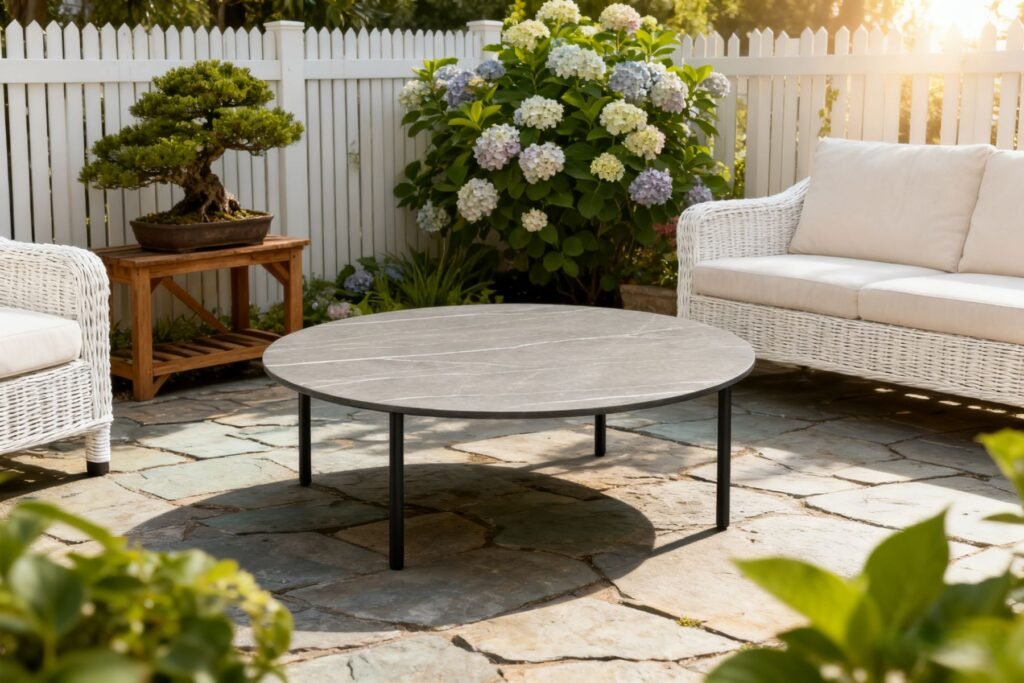
4. Physical Protection: When Deterrents Are Not Enough
If bird activity continues despite deterrents, physical protection offers the most consistent results.
4.1 Furniture Covers: More Than Weather Protection
High-quality furniture covers:
- Block birds from landing directly on surfaces
- Reduce cleaning frequency
- Protect furniture from UV exposure and dust
For owners of premium outdoor furniture, covers are one of the most cost-effective long-term solutions.
4.2 Temporary Barriers for High-Risk Periods
Temporary protection is especially useful during:
- Breeding seasons
- Periods of increased food availability
- After frequent outdoor dining events
Lightweight bird netting or removable barriers can be used without affecting daily usability.
5. Best Results Come from Combining Methods
A common frustration is hearing users say:
“I tried one method and it didn’t work.”
The reality is that birds adapt quickly.
Recommended Method Combinations
| Scenario | Recommended Combination |
|---|---|
| Residential patio | Cleaning + furniture covers + reflective objects |
| Restaurant terrace | Ultrasonic devices + visual deterrents + routine cleaning |
| High-end furniture areas | Covers + layout adjustment + temporary barriers |
Using multiple strategies together is the most reliable way to solve how to keep birds off outdoor furniture over the long term.
6. Common Mistakes That Make the Problem Worse
- Using harsh chemical sprays that damage furniture finishes
- Only reacting after birds appear instead of preventing attraction
- Ignoring seasonal changes in bird behavior
- Choosing deterrents not designed for outdoor use
These mistakes often cause the problem to return repeatedly.
7. Conclusion: A Clean Patio Comes from Smart, Humane Solutions
Keeping birds away is not about chasing them off once. It is about reducing attraction, applying smart deterrents, and protecting your furniture consistently.
By understanding bird behavior and using safe, humane, and practical solutions, you can maintain a clean, comfortable, and high-quality outdoor living space without harming wildlife.
Outdoor Whale provides high-quality outdoor furniture designed for durability and comfort. Contact us at info@ligointl.com to discuss your project or request a quotation.
FAQ
Q: Which method works the fastest?
A: Furniture covers and layout adjustments usually show immediate results.
Q: Is it possible to eliminate birds completely?
A: In outdoor environments, complete elimination is unlikely, but activity can be greatly reduced.
Q: Will these methods damage outdoor furniture?
A: When properly selected, all recommended methods are furniture-safe.
Many people wonder: why is outdoor furniture so expensive? The noticeable price difference between premium and standard outdoor furniture isn’t just a matter of brand. Behind the price are multiple factors, including material selection, craftsmanship, and durability.
This article will explore the differences between premium patio furniture and budget options, helping you understand the factors behind pricing and why investing in high-quality outdoor furniture is often worth it.
1. Materials Matter: How Quality Influences Cost
1.1 Common Materials in Outdoor Furniture
The materials used in outdoor furniture directly affect both price and durability:
- Wood: Teak, cedar, and eucalyptus are highly weather-resistant and naturally attractive
- Metal: Aluminum and stainless steel, often powder-coated or rust-resistant
- Synthetic Materials: High-quality PE rattan and weather-resistant rope
- Low-Cost Materials: Plastic or composite wood, commonly used in budget furniture
1.2 How Material Choice Affects Price
Premium materials not only cost more but often require additional treatments to improve weather resistance, such as water-proofing, UV protection, and pest resistance. These extra steps increase the production cost of premium outdoor furniture, while also ensuring long-term stability and aesthetics.
2. Craftsmanship: The Role of Skilled Workmanship
2.1 Handmade vs. Mass-Produced
High-end furniture often involves hand weaving, detailed carving, or precision welding, whereas budget furniture is usually mass-produced with simpler techniques. Skilled craftsmanship ensures structural stability, comfort, and a refined appearance.
2.2 Craftsmanship and Cost
Skilled workmanship adds labor costs and production time, but it also improves durability and overall value. A piece of premium patio furniture not only looks elegant but can withstand years of exposure to sun, rain, and outdoor conditions, which is a key reason for its higher price.
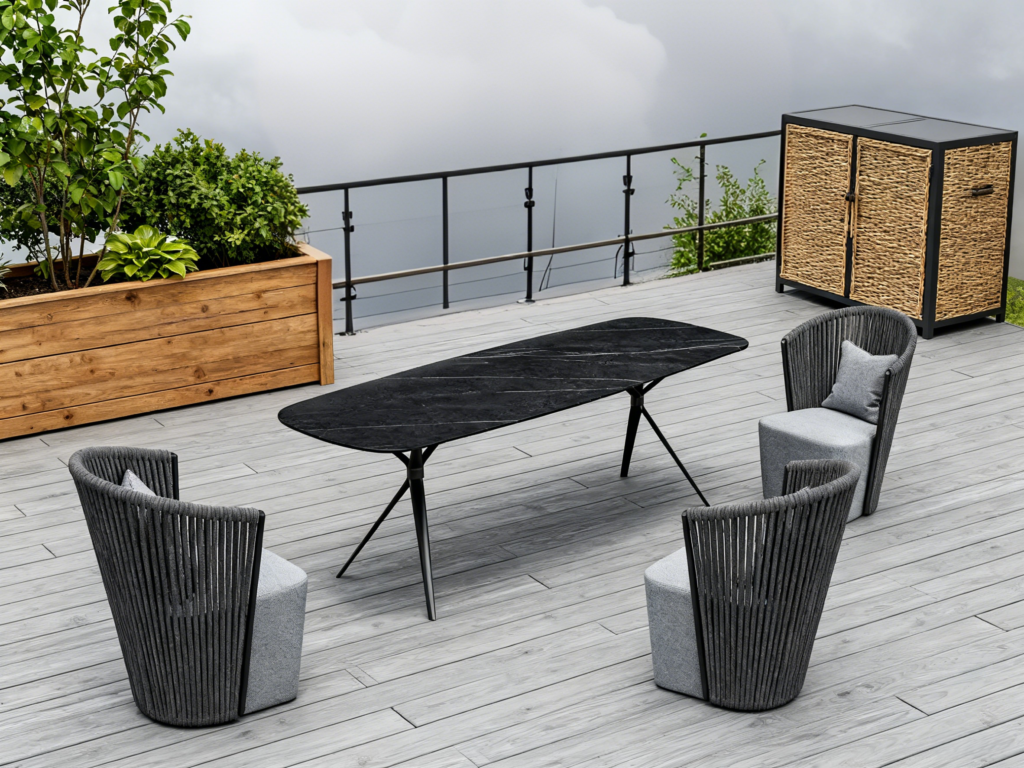
3. Longevity: Durability and Long-Term Value
3.1 Lifespan of Cheap vs. Premium Furniture
| Furniture Type | Lifespan | Common Issues |
|---|---|---|
| Cheap Outdoor Furniture | 1–3 years | Fading, cracking, rusting |
| Premium Outdoor Furniture | 10+ years | Minimal wear, stable structure |
High-end furniture made with durable materials and careful craftsmanship lasts much longer than budget options. This means that although the initial investment is higher, premium outdoor furniture saves money in the long run by reducing replacement costs and providing superior comfort and aesthetics.
3.2 How Durability Justifies Price
Durability directly translates to value. High-quality furniture remains stable and attractive even under harsh outdoor conditions, making the higher cost worthwhile.
4. Additional Factors That Influence Price
Besides materials and craftsmanship, other factors also affect the price of high-end outdoor furniture:
- Design & Aesthetics: Unique designs and visual appeal
- Brand Reputation: Premium brands often charge a premium
- Sustainability: Eco-friendly materials and sustainable production increase costs
- Maintenance Requirements: While maintenance is usually simple for premium furniture, initial protection and care may add to the upfront cost
5. Tips for Getting the Best Value from Expensive Outdoor Furniture
To maximize the value of high-end outdoor furniture:
- Choose materials suitable for your space and climate
- Consider usage frequency and durability requirements
- Pay attention to brand reputation and after-sales support
- Use protective covers, cushions, and maintenance oils to extend lifespan
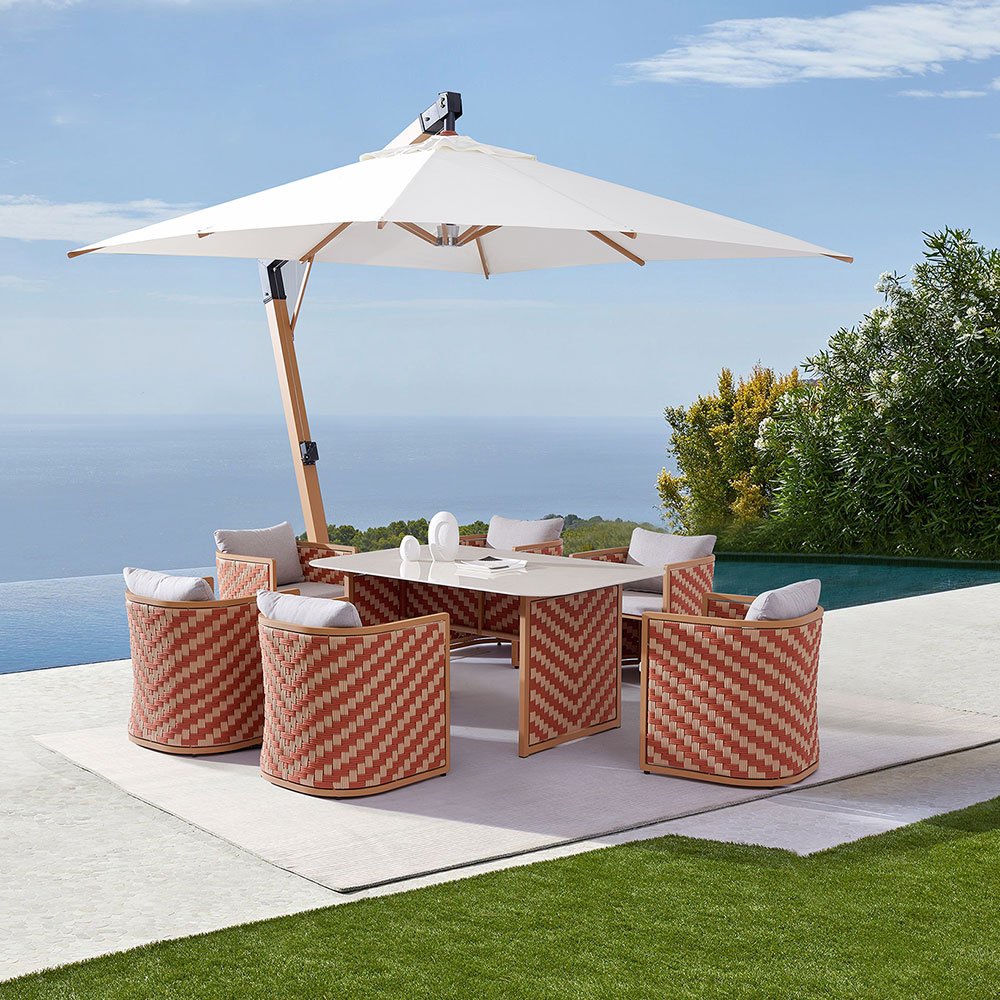
6. Common Misconceptions About Expensive Outdoor Furniture
- High price = overpricing: The cost reflects materials, craftsmanship, and durability, not just brand
- Looks are everything: Comfort and long-term usability are key factors
- Ignoring long-term value: Premium furniture is a one-time investment that reduces frequent replacement costs
7. Conclusion: Why Expensive Outdoor Furniture Can Be Worth It
By analyzing materials, craftsmanship, and durability, it’s clear that why is outdoor furniture so expensive is not an arbitrary question. Premium outdoor furniture provides better comfort, aesthetics, and long-term value.
When choosing furniture, consider your budget, frequency of use, environmental conditions, and outdoor space aesthetics to ensure every dollar spent is worthwhile. You can reach us at info@ligointl.com.
FAQ
- Why does teak furniture cost more than other materials?
Teak is naturally resistant to rot, insects, and weather, making it far more durable than many other materials. - Is expensive furniture really more comfortable than cheap options?
Yes, premium furniture often features ergonomic designs and higher-quality materials for enhanced comfort. - How long can premium outdoor furniture last with proper care?
Typically 10+ years, depending on climate and maintenance. - Does craftsmanship really justify the higher price?
Absolutely. Skilled craftsmanship ensures durability, stability, and aesthetic appeal that budget, mass-produced furniture cannot match.
Many people face a common dilemma when shopping for outdoor furniture: is it worth it to buy expensive outdoor furniture? While cheap furniture comes at a lower price, its durability and comfort often fall short compared to premium pieces. On the other hand, high-end furniture requires a significant upfront investment—but does it truly deliver value for money?
This article will provide a detailed comparison of cheap vs premium outdoor furniture, highlighting differences in materials, durability, comfort, and long-term value to help you make an informed buying decision.
1. Understanding Cheap Outdoor Furniture
1.1 Characteristics of Cheap Outdoor Furniture
Cheap outdoor furniture is typically made with low-cost materials and simple construction:
- Materials: Plastic, low-quality composite wood, or low-grade metal
- Construction: Basic production, prone to fading, cracking, or rusting
- Price: Affordable, suitable for short-term or budget-conscious use
1.2 Pros of Cheap Outdoor Furniture
- Cost-effective, ideal for temporary or seasonal use
- Lightweight and easy to move, perfect for small balconies or rental properties
1.3 Cons of Cheap Outdoor Furniture
- Short lifespan, usually 1–3 years, prone to damage
- Limited comfort and stability
- Higher long-term costs due to frequent replacements
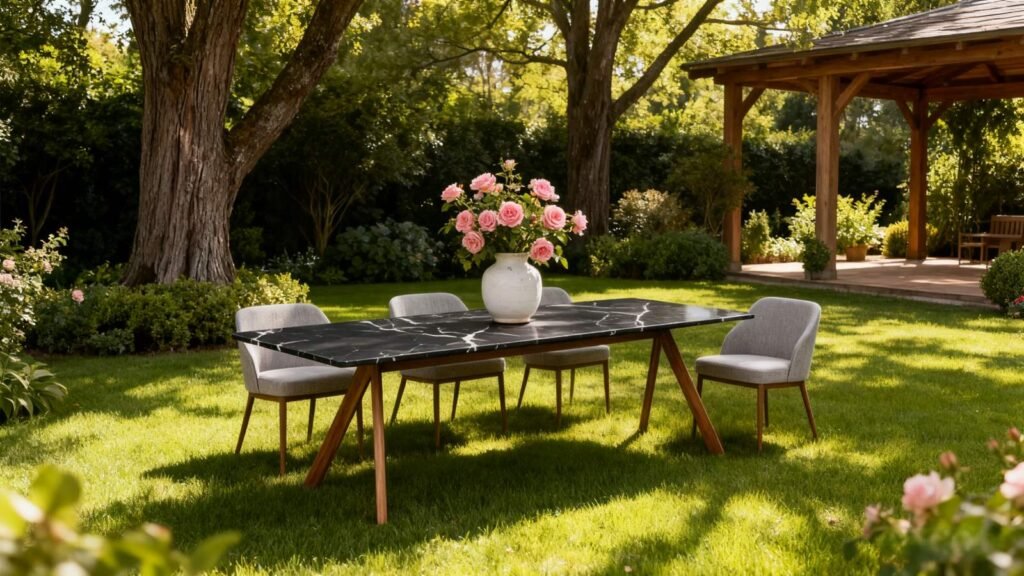
2. Understanding Premium Outdoor Furniture
2.1 Characteristics of Expensive Outdoor Furniture
High-end outdoor furniture is made with quality materials and refined craftsmanship:
- Materials: Teak, cedar, eucalyptus, aluminum, or weather-resistant woven rope
- Construction: Durable, UV-resistant, water-resistant, and insect-resistant
- Design: Focused on comfort, aesthetics, and functionality
2.2 Pros of Premium Outdoor Furniture
- Long-lasting, often exceeding 10 years of use
- Resistant to UV rays, rain, and pests
- High comfort and stylish design that enhances the outdoor space
- Strong long-term value, often considered a worthwhile investment
2.3 Cons of Premium Outdoor Furniture
- High upfront cost
- Moving and maintenance may require more effort
- Less suitable for those on a tight budget
3. Side-by-Side Comparison: Cheap vs Premium Outdoor Furniture
| Feature | Cheap Outdoor Furniture | Premium Outdoor Furniture |
|---|---|---|
| Material Quality | Low-cost plastic/low-grade metal | Teak, cedar, eucalyptus, aluminum, rope |
| Durability | 1–3 years | 10+ years |
| Comfort & Design | Basic | Ergonomic, stylish, comfortable |
| Maintenance | Frequent replacement/repair | Seasonal cleaning, occasional sealant |
| Price | Low | High |
This comparison clearly shows the differences between cheap and premium furniture, helping readers quickly evaluate which option suits their needs.
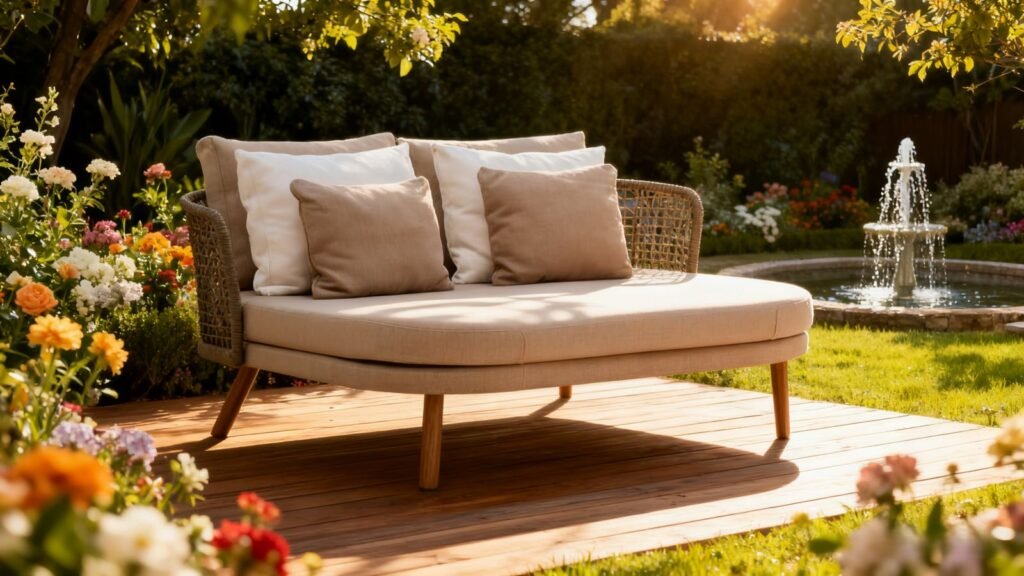
4. Factors to Consider When Deciding
When deciding whether to invest in expensive outdoor furniture, consider the following factors:
- Budget: Upfront cost versus long-term value
- Frequency of Use: Daily use or seasonal use
- Climate & Environment: Areas with strong sun or heavy rainfall benefit from premium materials
- Space & Aesthetics: Premium furniture can enhance the overall look of your outdoor space
5. Tips to Maximize Value from Expensive Outdoor Furniture
Even high-end furniture requires proper care to maximize its value:
- Clean regularly to keep surfaces free of dirt and debris
- Apply protective oil or water-repellent sealant seasonally
- Use sun and rain covers to extend furniture lifespan
- Add high-quality accessories like cushions and umbrellas to improve comfort and durability
6. Common Mistakes to Avoid When Buying Outdoor Furniture
- Focusing only on price while ignoring material quality and durability
- Overlooking climate conditions and frequency of use
- Neglecting long-term maintenance costs and accessory investment
7. Conclusion: Is It Worth It to Buy Expensive Outdoor Furniture?
The comparison between cheap vs premium outdoor furniture clearly shows that high-end pieces offer superior durability, comfort, and long-term value, while cheap options may suffice for temporary or budget-conscious use.
When making a decision, consider your budget, usage frequency, climate, and outdoor space aesthetics to select the furniture that best meets your needs.
Investing in high-quality outdoor furniture not only enhances the style of your space but also provides lasting comfort and enjoyment for years to come. Contact us at info@ligointl.com.
FAQ
- How long does expensive outdoor furniture last compared to cheap options?
Premium outdoor furniture typically lasts 10+ years, while cheap alternatives usually last only 1–3 years. - Can I get the same comfort and style with budget furniture?
Budget furniture offers limited comfort and design; high-end furniture provides superior ergonomics and aesthetic appeal. - What materials are best for long-lasting patio furniture?
Recommended materials include teak, cedar, eucalyptus, aluminum, and weather-resistant woven rope. - Is maintenance more costly for premium furniture?
Initial maintenance may require some effort, but premium furniture is more durable, so overall costs are lower compared to frequently replacing cheap furniture.
Outdoor wood furniture is prized for its natural look and durability, but when exposed to the elements, it faces multiple risks. The main threats include UV rays, rain, humidity fluctuations, and pests. These factors can cause fading, cracking, warping, or even rotting. Without proper care, even high-quality wood cannot maintain its beauty and longevity.
Understanding and implementing effective strategies for How to protect outdoor wood furniture not only extends its lifespan but also keeps your outdoor spaces looking attractive and inviting.
1. Protecting Outdoor Wood Furniture from Sun Damage
1.1 Effects of Sun Exposure on Wood
UV rays can break down the wood fibers, leading to fading, drying, and cracking. Different types of wood react differently to sunlight. Teak and cedar, for example, are relatively sun-resistant, while pine and oak are more vulnerable.
1.2 Practical Sun Protection Strategies
To protect your furniture from sun damage, consider the following methods:
- Use UV-resistant sealants and finishes: Apply outdoor-specific wood protection coatings to form a barrier against harmful UV rays.
- Use protective furniture covers: Cover your furniture when not in use to minimize direct sunlight exposure.
- Strategic placement: Place furniture in shaded areas or under umbrellas.
1.3 Maintenance Tips for Sun-Exposed Furniture
- Regularly inspect surfaces for cracks or fading.
- Reapply wood oil or sealant seasonally to maintain a protective layer.
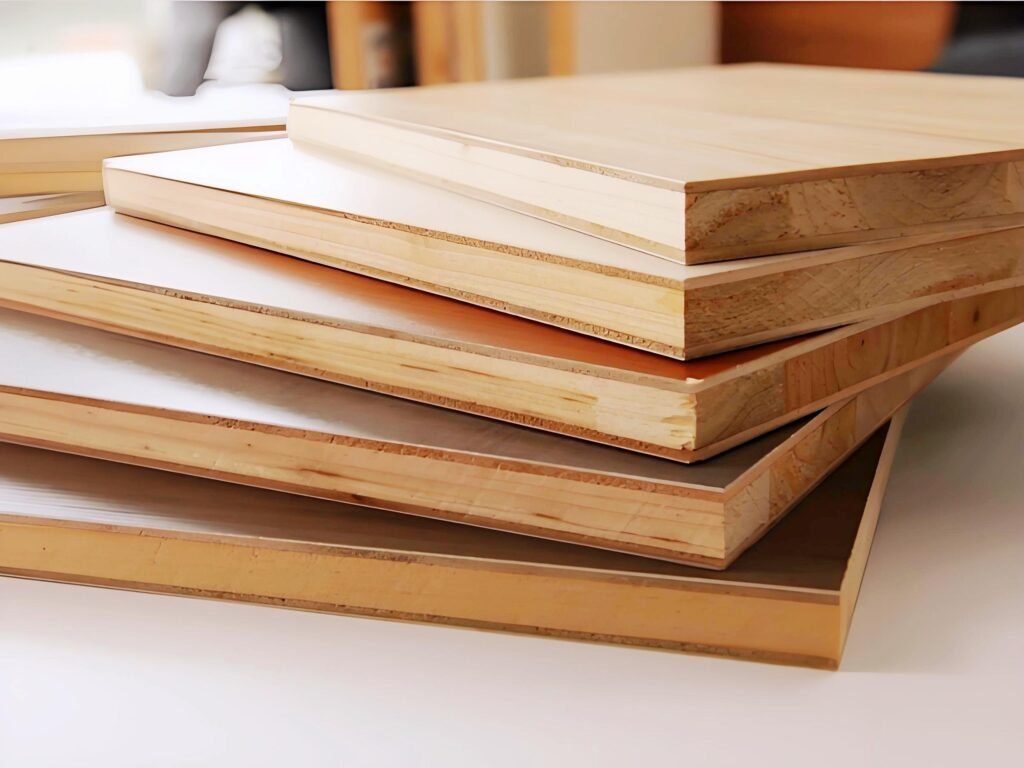
2. Protecting Outdoor Wood Furniture from Rain and Moisture
2.1 Effects of Moisture on Wood
Exposure to rain and high humidity can cause wood to swell, warp, or develop mold and mildew, eventually leading to rot. Prolonged moisture can also compromise the structural integrity of your furniture.
2.2 Preventive Measures Against Rain
Choosing the right wood and protective methods is essential:
- Select water-resistant wood: Teak, cedar, and eucalyptus are naturally durable and resist water damage.
- Apply water-repellent sealants: This helps reduce water absorption and protect the wood.
- Elevate furniture: Keep furniture off the ground to avoid water pooling.
2.3 Routine Maintenance Tips
- Wipe off water promptly after rain to prevent absorption into the wood.
- Clean mold or mildew with mild detergents, avoiding harsh chemicals that can damage the wood.
Table: Rain Protection Tips by Wood Type
| Wood Type | Water Resistance | Recommended Protection Measures |
|---|---|---|
| Teak | High | Apply sealant regularly |
| Cedar | Medium | Use UV-resistant finish and protective cover |
| Eucalyptus | High | Check wood grain regularly and keep dry |
3. Protecting Outdoor Wood Furniture from Pests
3.1 Common Outdoor Wood Pests
Outdoor wood furniture is susceptible to termites, carpenter ants, beetles, and other insects. Early signs of infestation include small holes, wood dust, or weakened wood structure.
3.2 Prevention Strategies
- Choose pest-resistant or treated wood: Teak is naturally pest-resistant, or opt for professionally treated wood.
- Apply insect-repellent finishes or oils: This forms a protective layer against insects.
- Regular inspections: Check furniture quarterly, especially the underside and joints, and treat early signs of infestation.
3.3 Professional Pest Control Options
For severe infestations, professional treatment may be necessary. Safe options include insecticide treatments or heat treatment, ensuring the furniture remains unharmed.
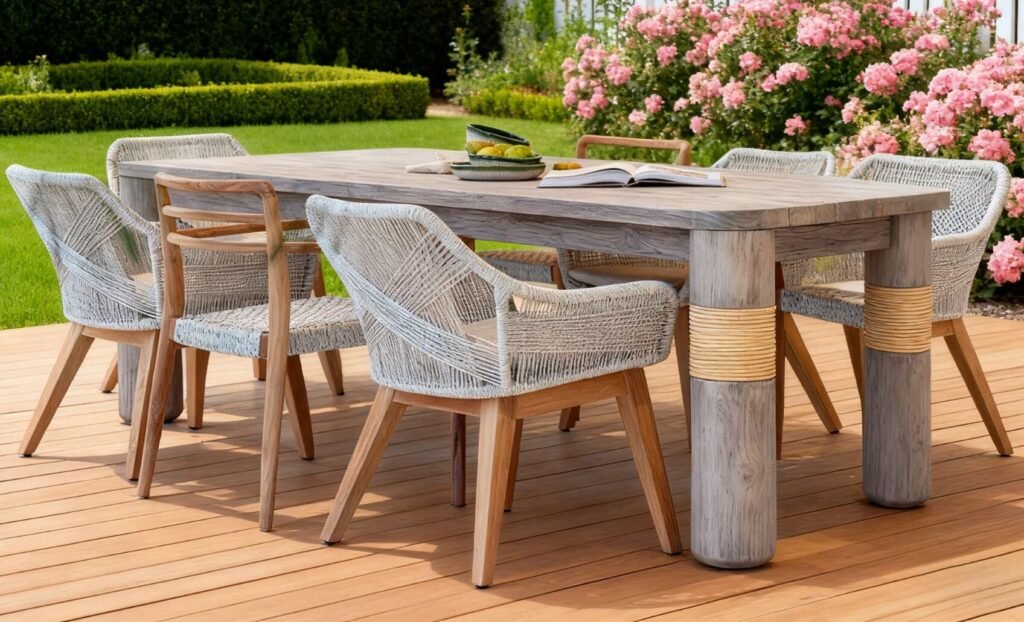
4. Combining Protection Strategies for Maximum Longevity
Combining sun, rain, and pest protection strategies maximizes durability:
- Conduct a comprehensive maintenance routine every season, including cleaning, sealing, and pest inspection.
- Adjust protection measures according to the season—for example, reinforce water protection during the rainy season and UV protection during summer.
- Using high-quality protective products recommended by professionals ensures longer furniture life and lower maintenance costs.
Seasonal Maintenance Checklist
| Season | Main Tasks | Recommended Measures |
|---|---|---|
| Spring | Cleaning, re-oiling | Remove mold, apply sealant |
| Summer | Sun protection, shading | Use UV-resistant finishes and covers |
| Fall | Pest inspection | Check wood grain and bottom surfaces, apply insect repellent |
| Winter | Rain protection, frost prevention | Use waterproof covers or move indoors |
5. Common Mistakes to Avoid
- Using harsh chemicals that strip natural oils and protective layers from the wood.
- Neglecting regular inspections and sealant reapplication, allowing small issues to escalate.
- Improper storage, such as leaving furniture outdoors during the rainy season, increasing the risk of rot and pest damage.
6. Conclusion: Keep Your Outdoor Wood Furniture Beautiful and Durable
Implementing effective How to protect outdoor wood furniture strategies can significantly extend the life and appearance of your furniture.
Key takeaways:
- Sun Protection: Apply UV-resistant finishes, position furniture in shaded areas, and use covers.
- Rain Protection: Choose water-resistant wood, apply sealant regularly, and keep furniture dry.
- Pest Protection: Use pest-resistant wood, apply insect repellents, and inspect regularly.
With professional care and high-quality protective products, every piece of outdoor wood furniture can remain durable and attractive, creating a stylish and comfortable outdoor space.
Email us at info@ligointl.com today for a free quote and expert guidance!
FAQ
Q1: How often should I seal my wood furniture for sun protection?
A: Typically once or twice a year, depending on sunlight exposure.
Q2: Can I use household oils for pest prevention?
A: Natural oils like teak oil may help, but professional insect-repellent finishes are more reliable.
Q3: What’s the best way to store outdoor furniture during the rainy season?
A: Use waterproof covers, elevate furniture, or move indoors if possible.
Q4: Are certain wood types naturally resistant to both sun and pests?
A: Yes, teak, cedar, and eucalyptus are naturally durable against UV, moisture, and insects.
Outdoor Furniture Covers play a crucial role in protecting your patio furniture from dust, rain, UV rays, and general outdoor wear. Proper cleaning and maintenance not only keep your covers looking fresh but also extend their lifespan while safeguarding the furniture beneath. In this article, we will provide a comprehensive guide on how to clean outdoor furniture covers, covering material characteristics, daily care, deep cleaning, stubborn stain removal, and seasonal storage tips to help you maintain your outdoor furniture covers efficiently and effectively.
Common Materials and Their Characteristics
Understanding the material of your Outdoor Furniture Covers is the first step toward proper cleaning and care. Different materials have unique requirements for durability, cleaning methods, and suitability for specific outdoor conditions.
- Polyester
Polyester covers are lightweight, durable, and resistant to UV rays, making them ideal for most home patios and garden sofa sets. They provide a good balance of water resistance and ease of cleaning—regular wiping with a damp cloth or mild soap solution is usually sufficient. However, polyester is not very breathable, so prolonged exposure to moisture may lead to mildew. - PVC-Coated Fabric
PVC-coated covers offer nearly complete water resistance, making them perfect for rainy or humid environments. Stains can be wiped away easily. On the downside, the material is less breathable and can develop minor cracks under high heat, so avoid prolonged direct sunlight. - Canvas
Canvas covers are thick, durable, and breathable, which allows moisture to evaporate and reduces the risk of mold. However, they can attract dust and require regular cleaning, and drying takes longer. - Mesh/Breathable Fabric
Lightweight and ventilated, mesh covers are perfect for summer use or well-ventilated areas. They offer excellent airflow but limited water protection, so they are not suitable for heavy rain. - Composite Materials
High-end composite covers combine polyester and PVC coatings, offering the advantages of both—lightweight, waterproof, and breathable. They are ideal for luxury settings such as villas, hotels, or outdoor restaurant patios. When choosing, consider your outdoor environment and furniture type.
By understanding the characteristics of each material, you can select the right cover and tailor your cleaning routine accordingly.
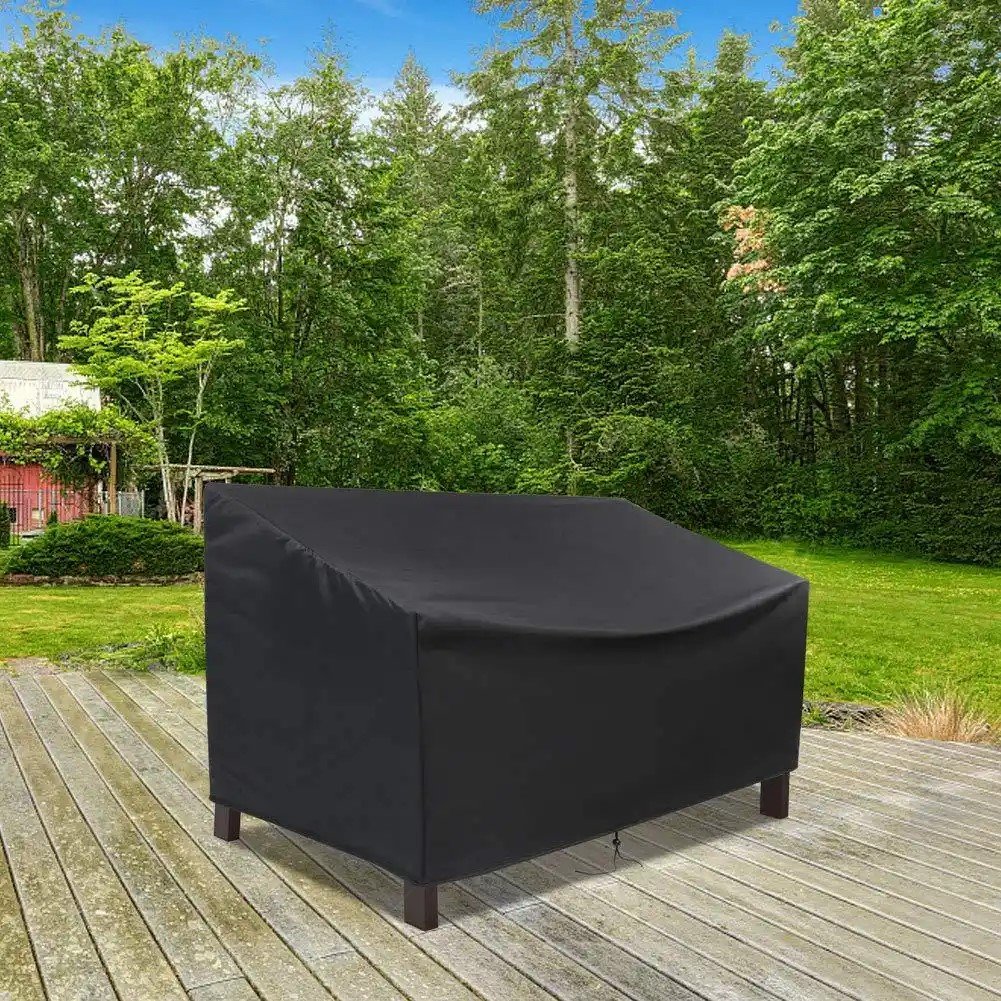
Daily Maintenance Tips
Daily maintenance is key to extending the life of your outdoor furniture covers. The process is simple but needs consistency.
- Regular Dust Removal
Use a soft brush or slightly damp cloth to sweep off dust weekly or biweekly to prevent accumulation and fiber wear. - Promptly Address Small Stains
For food or dirt spots, gently wipe with warm water and mild detergent within 24 hours for best results. - Keep Covers Dry
Avoid leaving covers in damp conditions for long periods. Regular airing helps prevent mold growth. - Prevent Physical Damage
Avoid sharp objects or forceful handling. Inspect seams and zippers regularly for wear and tear.
Deep Cleaning Steps
Periodically, your covers may need a thorough cleaning to remove accumulated dirt and microorganisms.
- Preparation
Check care labels, remove covers from furniture, and brush off large debris. - Hand Washing (Most Materials)
- Soak in warm water for 15–20 minutes
- Gently scrub with a mild detergent
- Focus on stubborn stains if needed
- Rinse thoroughly to remove soap residues
- Air dry in a ventilated area, avoiding direct sunlight
- Machine Washing (Polyester or Machine-Safe Covers)
- Use a gentle cycle with cold or lukewarm water
- Wash separately from sharp or heavy items
- Lay flat or hang to dry
Note: PVC-coated covers should not be machine washed as the coating may crack.
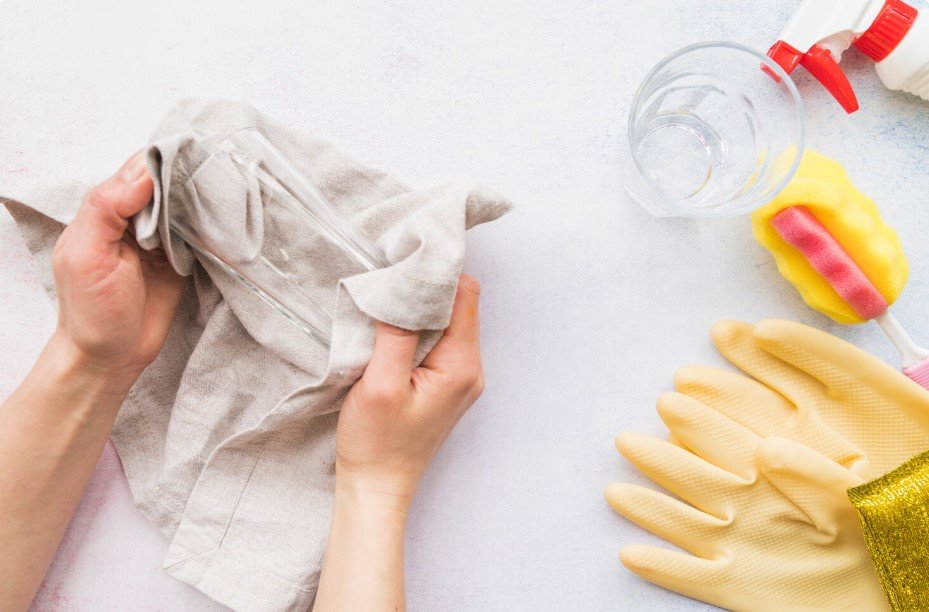
Handling Stubborn Stains
Different stains require different approaches for effective cleaning without damaging the cover.
- Food or Beverage Stains: Wipe immediately with warm water and mild soap.
- Mud or Dirt: Brush off dry particles first, then wipe lightly with a damp cloth.
- Mold: Treat affected areas with a mixture of water and white vinegar, then air dry thoroughly.
- Bird Droppings or Pet Waste: Scrape off solids first, then wipe with a damp cloth to avoid acidic damage.
Seasonal Care and Storage
Seasonal cleaning and proper storage help maintain covers during off-season periods.
- End-of-Season Cleaning: Perform a thorough wash and check for any damage before storage.
- Proper Storage: Store in a dry, ventilated area to prevent mold and insect damage. Use breathable bags or cloth covers.
- Extend Lifespan: Apply waterproof sprays or fabric protectants periodically and avoid prolonged exposure to strong sunlight or extreme heat.
Professional Tips
- Adjust cleaning frequency based on your climate to ensure covers stay in top condition.
- High-quality covers are more durable and easier to maintain.
- Combining daily maintenance with seasonal deep cleaning can significantly extend the life of your Outdoor Furniture Covers.
Conclusion
Understanding how to clean and maintain how to clean outdoor furniture covers properly is essential for protecting your investment in outdoor furniture. By following daily care routines, performing deep cleaning, tackling stubborn stains correctly, and observing seasonal storage practices, you can keep your covers looking fresh, preserve the furniture beneath, and enhance the comfort and longevity of your outdoor spaces. Email: info@ligointl.com
Spiders are common creatures in gardens and outdoor spaces. While they help control insects, excessive spiders or spider webs can affect the appearance and usability of your outdoor furniture. For homeowners who value a clean and comfortable outdoor living area, understanding how to keep spiders off outdoor furniture is essential. This guide provides practical, professional advice, covering scientific reasoning, preventive measures, natural and chemical solutions, and furniture design considerations.
Why Spiders Are Attracted to Outdoor Furniture
Spider Habits and Preferences
Spiders prefer dark, damp, and undisturbed environments. Corners, the undersides of chairs, and gaps between furniture pieces often serve as ideal hiding spots. Their choice of location is also influenced by food availability; areas with abundant insects naturally attract spiders to build webs.
Common Spider Types and Behavior
- Garden Spiders: Frequently build webs under low shrubs or outdoor furniture.
- Jumping Spiders: Active across surfaces, often preferring sunlit areas.
- Cellar Spiders: Favor damp corners and furniture undersides, especially in colder months.
Environmental Factors
- Furniture near plants or walls provides spiders with shelter.
- Lighting and warm spots attract insects, indirectly drawing spiders.
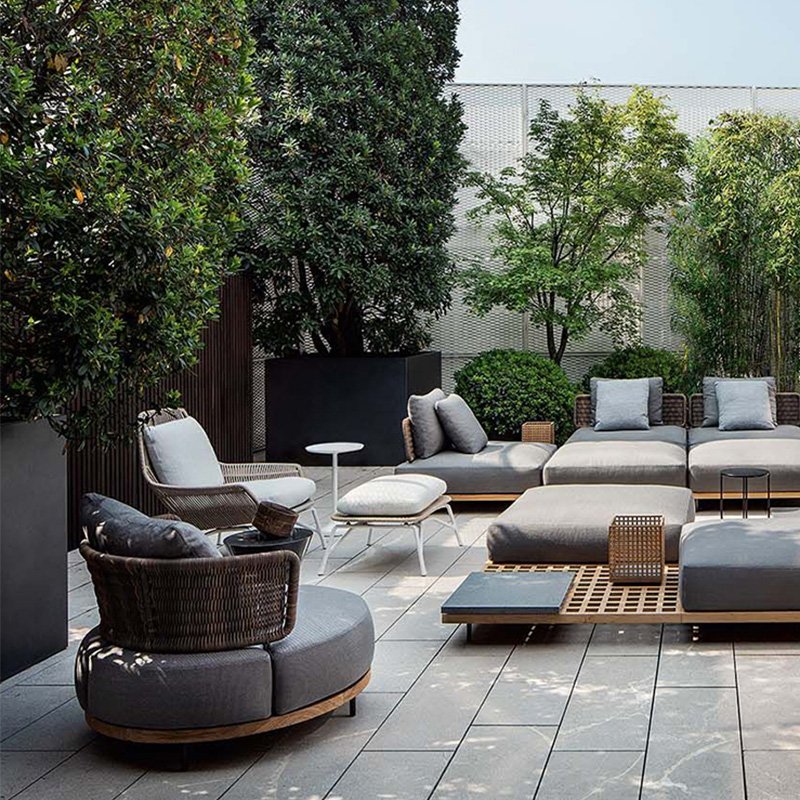
Preventive Measures to Keep Spiders Off Outdoor Furniture
Regular Cleaning and Maintenance
- Clean furniture surfaces, undersides, and gaps weekly or biweekly to remove webs and dust.
- Use a vacuum, pressure washer, or damp cloth, taking care not to damage wood or fabrics.
- After cleaning, applying a light natural repellent spray can provide extra protection.
Furniture Placement and Environment Management
- Avoid placing furniture close to dense plants, walls, or standing water.
- Ensure good ventilation and adequate sunlight to reduce favorable conditions for spiders.
- Regularly rearranging furniture can disrupt spiders’ web-building habits.
Natural Repellents
- Essential oils such as eucalyptus, peppermint, citrus peels, or rosemary can act as safe natural repellents.
- Dilute these oils in water and spray around furniture surfaces, gaps, and surrounding areas every 1–2 weeks.
- This approach is safe for children, pets, and eco-conscious households.
Protective Covers and Storage
- Cover furniture with waterproof and dustproof covers during rainy seasons or extended periods of non-use.
- Store furniture indoors or in ventilated storage spaces when not in use, keeping them dry to prevent mold and moisture damage.
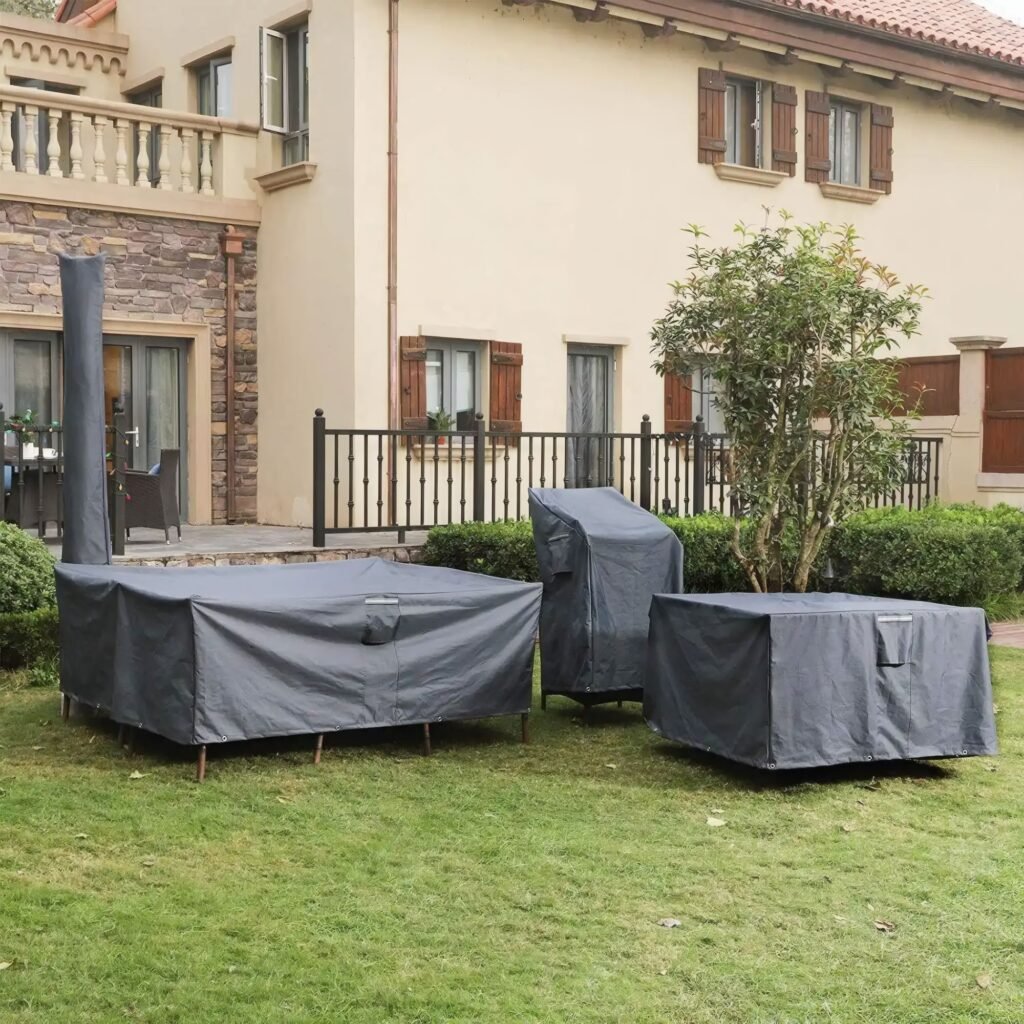
Chemical Solutions and Professional Products
Outdoor-Safe Sprays
- Choose outdoor spider sprays certified as safe for humans and pets.
- Follow the product instructions carefully, avoiding overuse or spraying directly on fabrics to protect furniture surfaces.
Integrated Pest Management Strategies
- Combine natural repellents with chemical solutions for long-term effectiveness.
- Regularly inspect furniture and surrounding areas to remove webs and insect sources.
- Focus protective efforts on high-risk areas such as undersides and corners.
Enhancing Furniture Protection Through Design and Materials
- High-quality materials like synthetic wicker, aluminum, and weather-resistant fabrics make it harder for spiders to settle.
- Furniture designs emphasizing ventilation, drainage, and easy cleaning reduce spider aggregation.
- When purchasing, prioritize pieces with protective covers or removable components for easier maintenance.
Daily Tips for Maintaining a Spider-Free Outdoor Space
- Regularly check furniture undersides and surrounding areas for webs.
- Keep the outdoor area tidy to reduce insects that attract spiders.
- Encourage natural predators like birds and beneficial insects to help control spider populations.
Conclusion
Effective how to keep spiders off outdoor furniture requires a comprehensive approach. By understanding spider behavior, cleaning regularly, arranging furniture strategically, combining natural and chemical repellents, and choosing appropriate materials and designs, you can significantly reduce spider disturbances. This ensures your outdoor space remains visually appealing, comfortable, and enjoyable. Contact us at info@ligointl.com
Practical Reference Table: Spider Prevention Measures
| Method | Specific Action | Frequency | Notes |
|---|---|---|---|
| Cleaning & Maintenance | Remove webs, wipe surfaces | Every 1–2 weeks | Avoid excess water to protect furniture |
| Furniture Placement | Keep away from plants/walls, ensure ventilation | Adjust seasonally | Rearrange periodically to disrupt webs |
| Natural Repellents | Eucalyptus, peppermint, citrus oils | Every 1–2 weeks | Avoid direct contact with delicate fabrics |
| Covers/Storage | Use waterproof covers or store indoors | When not in use | Keep furniture dry and ventilated |
| Chemical Sprays | Safe-certified outdoor sprays | As needed | Follow instructions, ensure pet/child safety |
| Material & Design | Synthetic wicker, aluminum, weather-resistant fabrics | Choose during purchase | Prioritize easy-to-clean structures |
As outdoor living continues to evolve, modern sofa outdoor furniture is no longer seen as simple seating placed outside. It has become a central element in contemporary patios, gardens, and commercial outdoor spaces.
From residential backyards to hotels, resorts, and public leisure areas, buyers now expect outdoor sofa designs to deliver more than basic functionality. Comfort, durability, and visual harmony with the surrounding space have become equally important considerations.
Today’s design trends reflect not only changes in aesthetics but also shifts in how outdoor areas are used and planned. This article explores what buyers are truly looking for in modern outdoor sofa design, based on real-world usage and practical design logic rather than short-lived visual trends.
Why Design Trends Matter When Choosing Outdoor Sofa Seating
Understanding current design trends plays a practical role in the buying process. These trends are shaped by long-term market feedback and evolving usage scenarios.
Different buyers value these trends for different reasons:
- Residential buyers want outdoor seating that visually connects with indoor living spaces
- Commercial project owners focus on durability, layout flexibility, and spatial coordination
- B2B buyers and designers must balance aesthetics, cost control, and long-term maintenance
Recognizing these trends helps buyers make informed decisions rather than choosing products based purely on appearance.
Trend 1 – Clean Lines and Balanced Proportions in Modern Outdoor Sofa Design
From Decorative Details to Simplicity
Current modern sofa outdoor designs increasingly move away from heavy decorative elements. Instead, they emphasize clean lines and clear structural forms. This approach aligns well with modern architecture and allows furniture to integrate seamlessly into various outdoor environments.
Simplicity does not mean a lack of character. When proportions and details are carefully considered, minimalist designs often result in a more timeless and refined appearance.
How Proportions Affect Visual Comfort
In outdoor seating design, proportions often matter more than bold shapes. Key considerations include:
- The relationship between seat depth and backrest height
- Armrest width in relation to the overall structure
- Seating height that supports a naturally relaxed posture
Well-balanced proportions allow an outdoor sofa to feel stable, comfortable, and visually calm within the space.
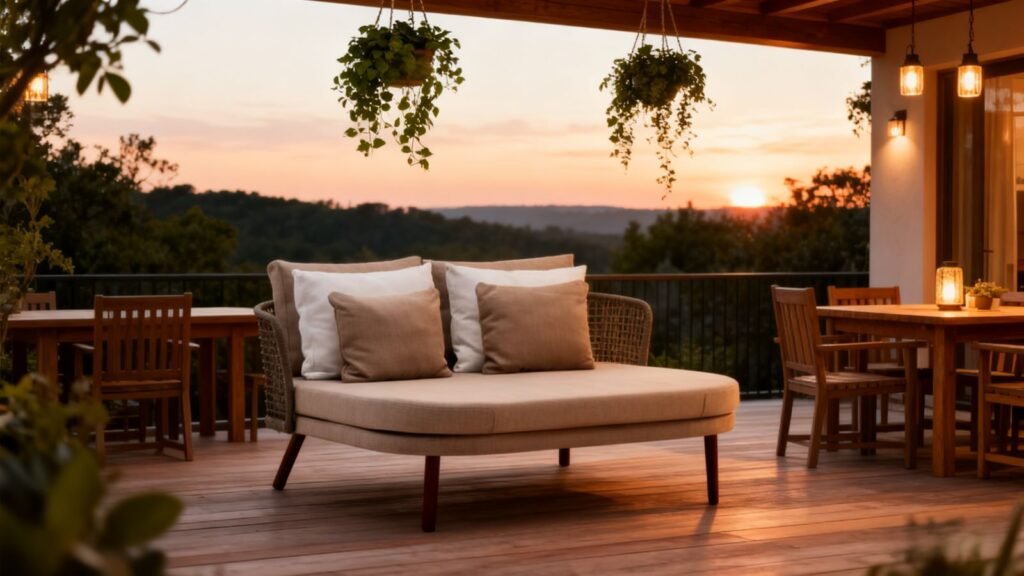
Trend 2 – Comfort-Driven Structure, Not Just Appearance
Seating Depth and Cushion Thickness Preferences
As outdoor spaces are used more frequently and for longer periods, comfort has become a primary concern. Buyers increasingly prefer modern sofa outdoor solutions that offer:
- Deeper seating suitable for extended lounging
- Cushions with visible volume that suggest proper support
These preferences reflect the growing role of outdoor areas as extensions of indoor living spaces rather than occasional-use zones.
Supportive Backrests and Relaxed Seating Angles
Backrest design plays a major role in overall comfort. Compared to traditional upright seating, modern outdoor sofas often feature more relaxed angles that support the body naturally.
In a well-designed outdoor lounge setup, comfort is achieved through thoughtful structure rather than relying solely on soft materials.
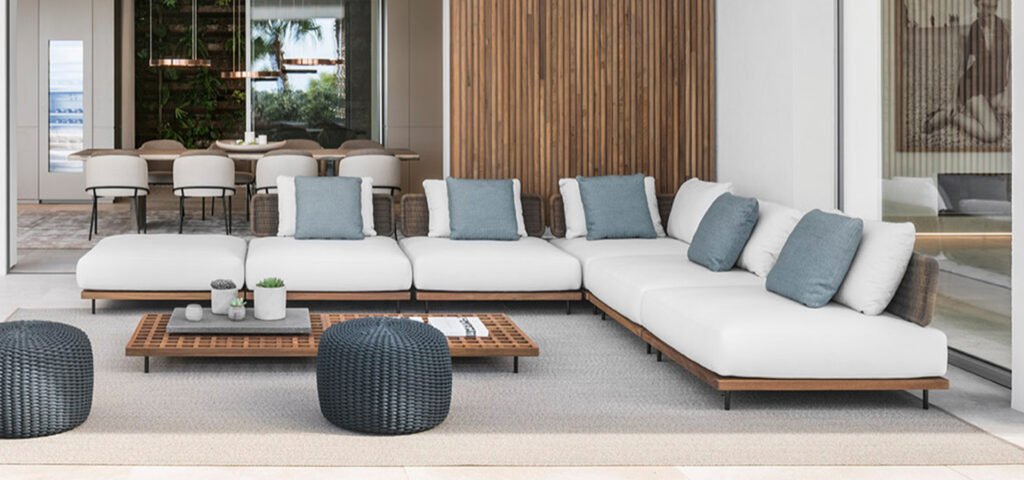
Trend 3 – Modular Outdoor Sofa Layouts for Flexible Spaces
Why Modular Designs Are Popular
Modular configurations have become a defining feature of many modern sofa outdoor collections. Outdoor spaces vary greatly in size and layout, making flexibility essential.
Modular designs offer several advantages:
- Layouts can be adjusted to fit different space conditions
- Furniture can adapt to future changes or project expansions
- Custom solutions are easier to achieve for both residential and commercial use
Modular Seating for Residential and Commercial Projects
In residential settings, modular outdoor sofas allow homeowners to create adaptable lounge areas.
For hotels, resorts, and commercial projects, flexible layouts help improve space efficiency and support a wide range of usage scenarios.
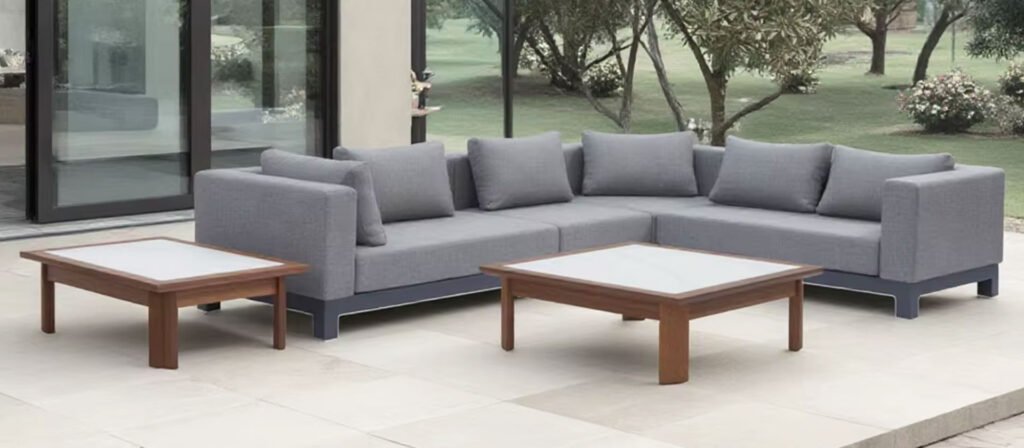
Trend 4 – Material Choices That Balance Style and Durability
Woven, Rope, and Mixed-Material Designs
Many modern sofa outdoor designs now combine woven elements, rope detailing, and metal frames. These mixed-material approaches add visual depth while maintaining a light and contemporary appearance.
The contrast between textures allows outdoor seating to stand out without overpowering the surrounding environment.
Outdoor-Ready Materials for Long-Term Use
Beyond aesthetics, buyers pay close attention to whether materials are suitable for long-term outdoor placement. Common considerations include:
- Weather-resistant performance
- Ease of daily cleaning and maintenance
- Adaptability to different climate conditions
Material selection plays a key role in balancing style with long-term reliability.
Trend 5 – Outdoor Sofas as Part of a Complete Outdoor Living Concept
The Sofa as the Center of Space Planning
Today, a modern sofa outdoor setup is rarely treated as a standalone product. It often serves as the anchor of the entire outdoor layout, helping define functional zones within the space.
Planning Based on Real Usage Scenarios
Successful outdoor planning is typically based on actual usage needs, such as:
- Everyday relaxation and family time
- Social gatherings and informal meetings
- Hospitality and shared public areas
When layouts align with real-life scenarios, outdoor seating delivers greater long-term value.
What Buyers Should Consider Before Following Outdoor Sofa Trends
Not every trend suits every project. When selecting a modern sofa outdoor solution, buyers should evaluate several practical factors:
| Consideration | Why It Matters |
|---|---|
| Space size | Determines whether modular or fixed layouts are suitable |
| Usage frequency | Influences structural design and material choices |
| Project type | Residential and commercial needs differ |
| Long-term maintenance | Affects total cost and usability over time |
The best solutions combine trend awareness with realistic project requirements.
Conclusion
Overall, current modern sofa outdoor design trends emphasize clean proportions, comfort-driven structures, modular flexibility, and holistic space planning. These developments reflect a growing demand for outdoor furniture that supports both function and experience.
For buyers planning long-term projects, choosing outdoor seating with proven structural logic and adaptability offers far greater value than following short-lived visual trends. Contact us at info@ligointl.com