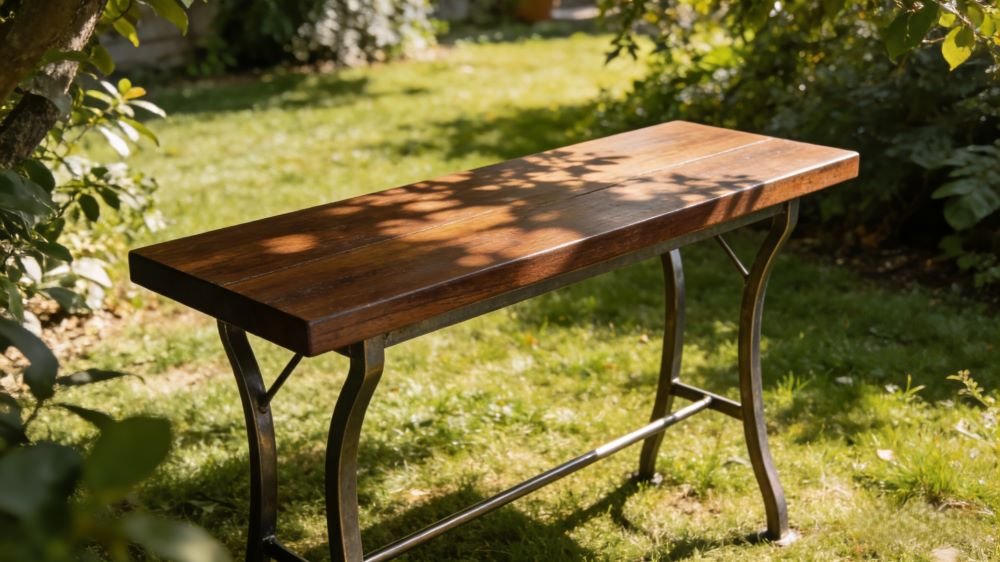

Spiders are common creatures in gardens and outdoor spaces. While they help control insects, excessive spiders or spider webs can affect the appearance and usability of your outdoor furniture. For homeowners who value a clean and comfortable outdoor living area, understanding how to keep spiders off outdoor furniture is essential. This guide provides practical, professional advice, covering scientific reasoning, preventive measures, natural and chemical solutions, and furniture design considerations.
Why Spiders Are Attracted to Outdoor Furniture
Spider Habits and Preferences
Spiders prefer dark, damp, and undisturbed environments. Corners, the undersides of chairs, and gaps between furniture pieces often serve as ideal hiding spots. Their choice of location is also influenced by food availability; areas with abundant insects naturally attract spiders to build webs.
Common Spider Types and Behavior
- Garden Spiders: Frequently build webs under low shrubs or outdoor furniture.
- Jumping Spiders: Active across surfaces, often preferring sunlit areas.
- Cellar Spiders: Favor damp corners and furniture undersides, especially in colder months.
Environmental Factors
- Furniture near plants or walls provides spiders with shelter.
- Lighting and warm spots attract insects, indirectly drawing spiders.

Preventive Measures to Keep Spiders Off Outdoor Furniture
Regular Cleaning and Maintenance
- Clean furniture surfaces, undersides, and gaps weekly or biweekly to remove webs and dust.
- Use a vacuum, pressure washer, or damp cloth, taking care not to damage wood or fabrics.
- After cleaning, applying a light natural repellent spray can provide extra protection.
Furniture Placement and Environment Management
- Avoid placing furniture close to dense plants, walls, or standing water.
- Ensure good ventilation and adequate sunlight to reduce favorable conditions for spiders.
- Regularly rearranging furniture can disrupt spiders’ web-building habits.
Natural Repellents
- Essential oils such as eucalyptus, peppermint, citrus peels, or rosemary can act as safe natural repellents.
- Dilute these oils in water and spray around furniture surfaces, gaps, and surrounding areas every 1–2 weeks.
- This approach is safe for children, pets, and eco-conscious households.
Protective Covers and Storage
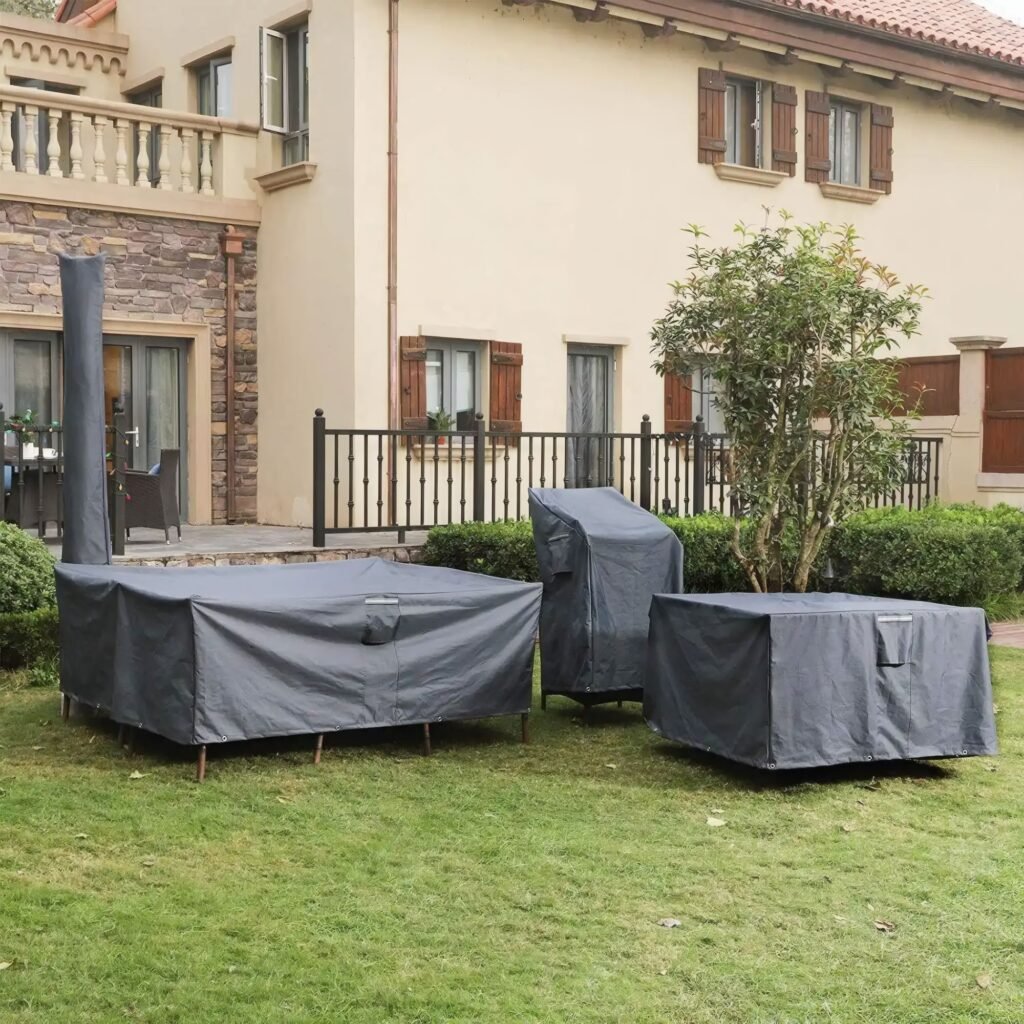
- Cover furniture with waterproof and dustproof covers during rainy seasons or extended periods of non-use.
- Store furniture indoors or in ventilated storage spaces when not in use, keeping them dry to prevent mold and moisture damage.
Chemical Solutions and Professional Products
Outdoor-Safe Sprays
- Choose outdoor spider sprays certified as safe for humans and pets.
- Follow the product instructions carefully, avoiding overuse or spraying directly on fabrics to protect furniture surfaces.
Integrated Pest Management Strategies
- Combine natural repellents with chemical solutions for long-term effectiveness.
- Regularly inspect furniture and surrounding areas to remove webs and insect sources.
- Focus protective efforts on high-risk areas such as undersides and corners.
Enhancing Furniture Protection Through Design and Materials
- High-quality materials like synthetic wicker, aluminum, and weather-resistant fabrics make it harder for spiders to settle.
- Furniture designs emphasizing ventilation, drainage, and easy cleaning reduce spider aggregation.
- When purchasing, prioritize pieces with protective covers or removable components for easier maintenance.
Daily Tips for Maintaining a Spider-Free Outdoor Space
- Regularly check furniture undersides and surrounding areas for webs.
- Keep the outdoor area tidy to reduce insects that attract spiders.
- Encourage natural predators like birds and beneficial insects to help control spider populations.

Conclusion
Effective how to keep spiders off outdoor furniture requires a comprehensive approach. By understanding spider behavior, cleaning regularly, arranging furniture strategically, combining natural and chemical repellents, and choosing appropriate materials and designs, you can significantly reduce spider disturbances. This ensures your outdoor space remains visually appealing, comfortable, and enjoyable. Contact us at info@ligointl.com
Practical Reference Table: Spider Prevention Measures
| Method | Specific Action | Frequency | Notes |
|---|---|---|---|
| Cleaning & Maintenance | Remove webs, wipe surfaces | Every 1–2 weeks | Avoid excess water to protect furniture |
| Furniture Placement | Keep away from plants/walls, ensure ventilation | Adjust seasonally | Rearrange periodically to disrupt webs |
| Natural Repellents | Eucalyptus, peppermint, citrus oils | Every 1–2 weeks | Avoid direct contact with delicate fabrics |
| Covers/Storage | Use waterproof covers or store indoors | When not in use | Keep furniture dry and ventilated |
| Chemical Sprays | Safe-certified outdoor sprays | As needed | Follow instructions, ensure pet/child safety |
| Material & Design | Synthetic wicker, aluminum, weather-resistant fabrics | Choose during purchase | Prioritize easy-to-clean structures |