
For many residential and commercial outdoor spaces, birds are not an occasional inconvenience but a recurring and persistent issue. Bird droppings do more than affect appearance. Over time, they can:
- Damage wood finishes and protective coatings
- Leave stubborn stains on cushions and fabrics
- Attract insects and increase cleaning frequency
- Reduce the overall comfort and enjoyment of outdoor areas
This is why so many people search for how to keep birds off outdoor furniture. They are not looking for aggressive or harmful solutions, but for methods that are effective, safe, and humane.
In this guide, we take a practical approach. By understanding bird behavior and applying proven, real-world strategies, you can protect your outdoor furniture while maintaining a clean and welcoming patio.
1. Understanding Bird Behavior: Why Birds Choose Your Outdoor Furniture
Before choosing any deterrent, it helps to understand one key question:
Why are birds choosing your furniture in the first place?
1.1 The Main Reasons Birds Are Attracted to Outdoor Furniture
Birds are drawn to outdoor furniture for very specific reasons:
- Ideal height: Tabletops, armrests, and chair backs are perfect landing spots
- Stable surfaces: Furniture is more stable than tree branches
- Food signals: Even small crumbs or drink residue attract attention
- Perceived safety: Furniture near buildings offers shelter and fewer predators
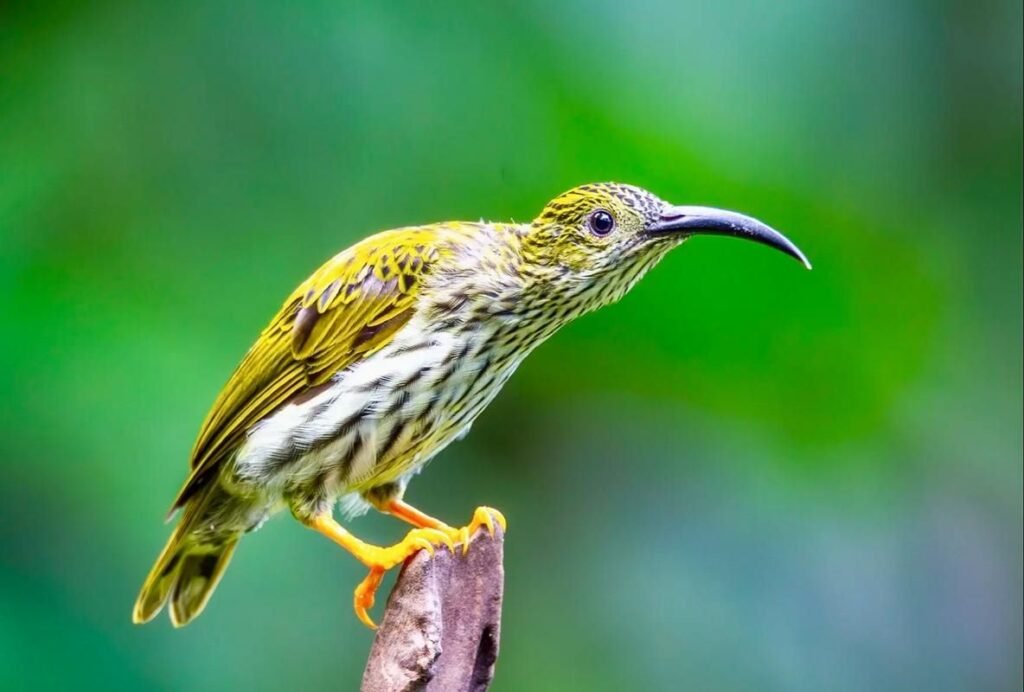
1.2 Common Birds and Their Impact
| Bird Type | Typical Behavior | Impact on Furniture |
|---|---|---|
| Pigeons | Long-term perching | Heavy droppings |
| Sparrows | Group activity | Feathers and debris |
| Seagulls | Pecking and scavenging | Surface scratches |
Understanding these patterns helps you choose targeted and more effective solutions instead of relying on guesswork.
2. Prevention First: Reduce Attraction Before Using Deterrents
One of the most overlooked truths is this:
The best bird deterrent often starts with removing what attracts them.
2.1 Cleaning Matters, But Timing Matters More
- Clean tables immediately after meals, not the next day
- Remove drink spills from cushions as soon as possible
- Sweep nearby floors since birds do not focus only on furniture
Even if food residue is not visible to you, birds can still detect it.
2.2 Furniture Placement Makes a Big Difference
Your furniture is more likely to attract birds if it is:
- Positioned directly under tree branches
- Located near roof edges or power lines
- Placed in open, unobstructed areas
Simply adjusting the layout of your patio can significantly reduce bird activity.
3. Safe and Humane Bird Deterrents That Actually Work
This is the section most users care about, and for good reason.
3.1 Visual Deterrents: Why Reflection Works
Reflective objects work because birds are highly sensitive to unpredictable light and movement.
Best practices:
- Avoid fixing them in one position
- Change angles or locations every 1–2 weeks
- Multiple small reflective elements work better than one large object
3.2 Predator Decoys: Effective Only When Used Correctly
Owl decoys or plastic snakes can be effective, but only if:
- They are moved regularly
- They are combined with other deterrents
- They are not placed permanently in one spot
Otherwise, birds quickly learn they pose no real threat.
3.3 Ultrasonic Devices: When They Make Sense
Ultrasonic bird repellents are suitable for:
- Fixed outdoor areas
- Spaces with easy access to power
- Users who prefer low-maintenance solutions
However:
- Effectiveness varies by bird species
- Open outdoor spaces reduce performance
- They should not be used as a standalone solution
4. Physical Protection: When Deterrents Are Not Enough
If bird activity continues despite deterrents, physical protection offers the most consistent results.
4.1 Furniture Covers: More Than Weather Protection
High-quality furniture covers:
- Block birds from landing directly on surfaces
- Reduce cleaning frequency
- Protect furniture from UV exposure and dust
For owners of premium outdoor furniture, covers are one of the most cost-effective long-term solutions.
4.2 Temporary Barriers for High-Risk Periods
Temporary protection is especially useful during:
- Breeding seasons
- Periods of increased food availability
- After frequent outdoor dining events
Lightweight bird netting or removable barriers can be used without affecting daily usability.
5. Best Results Come from Combining Methods
A common frustration is hearing users say:
“I tried one method and it didn’t work.”
The reality is that birds adapt quickly.
Recommended Method Combinations
| Scenario | Recommended Combination |
|---|---|
| Residential patio | Cleaning + furniture covers + reflective objects |
| Restaurant terrace | Ultrasonic devices + visual deterrents + routine cleaning |
| High-end furniture areas | Covers + layout adjustment + temporary barriers |
Using multiple strategies together is the most reliable way to solve how to keep birds off outdoor furniture over the long term.
6. Common Mistakes That Make the Problem Worse
- Using harsh chemical sprays that damage furniture finishes
- Only reacting after birds appear instead of preventing attraction
- Ignoring seasonal changes in bird behavior
- Choosing deterrents not designed for outdoor use
These mistakes often cause the problem to return repeatedly.
7. Conclusion: A Clean Patio Comes from Smart, Humane Solutions
Keeping birds away is not about chasing them off once. It is about reducing attraction, applying smart deterrents, and protecting your furniture consistently.
By understanding bird behavior and using safe, humane, and practical solutions, you can maintain a clean, comfortable, and high-quality outdoor living space without harming wildlife.
Outdoor Whale provides high-quality outdoor furniture designed for durability and comfort. Contact us at info@ligointl.com to discuss your project or request a quotation.
FAQ
Q: Which method works the fastest?
A: Furniture covers and layout adjustments usually show immediate results.
Q: Is it possible to eliminate birds completely?
A: In outdoor environments, complete elimination is unlikely, but activity can be greatly reduced.
Q: Will these methods damage outdoor furniture?
A: When properly selected, all recommended methods are furniture-safe.