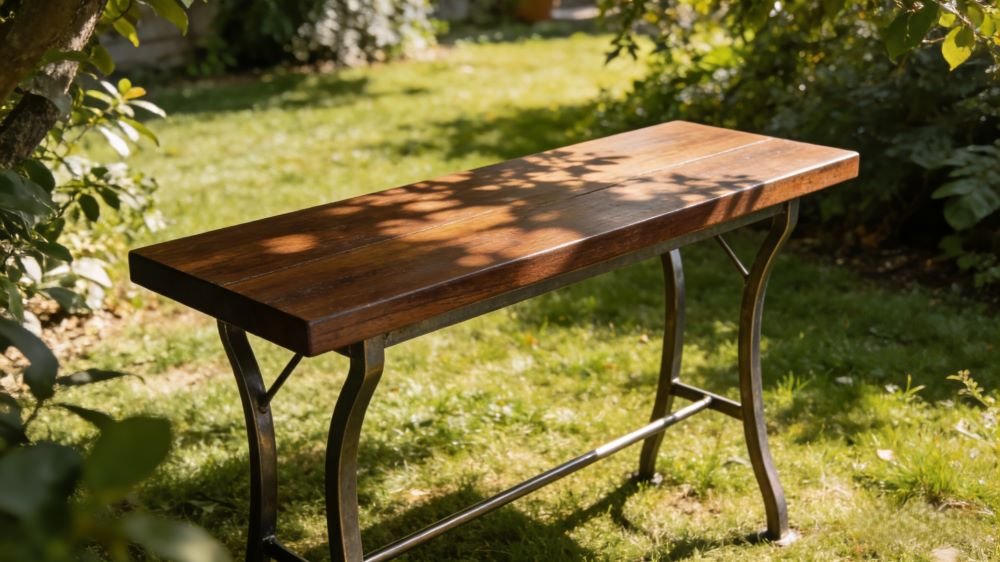
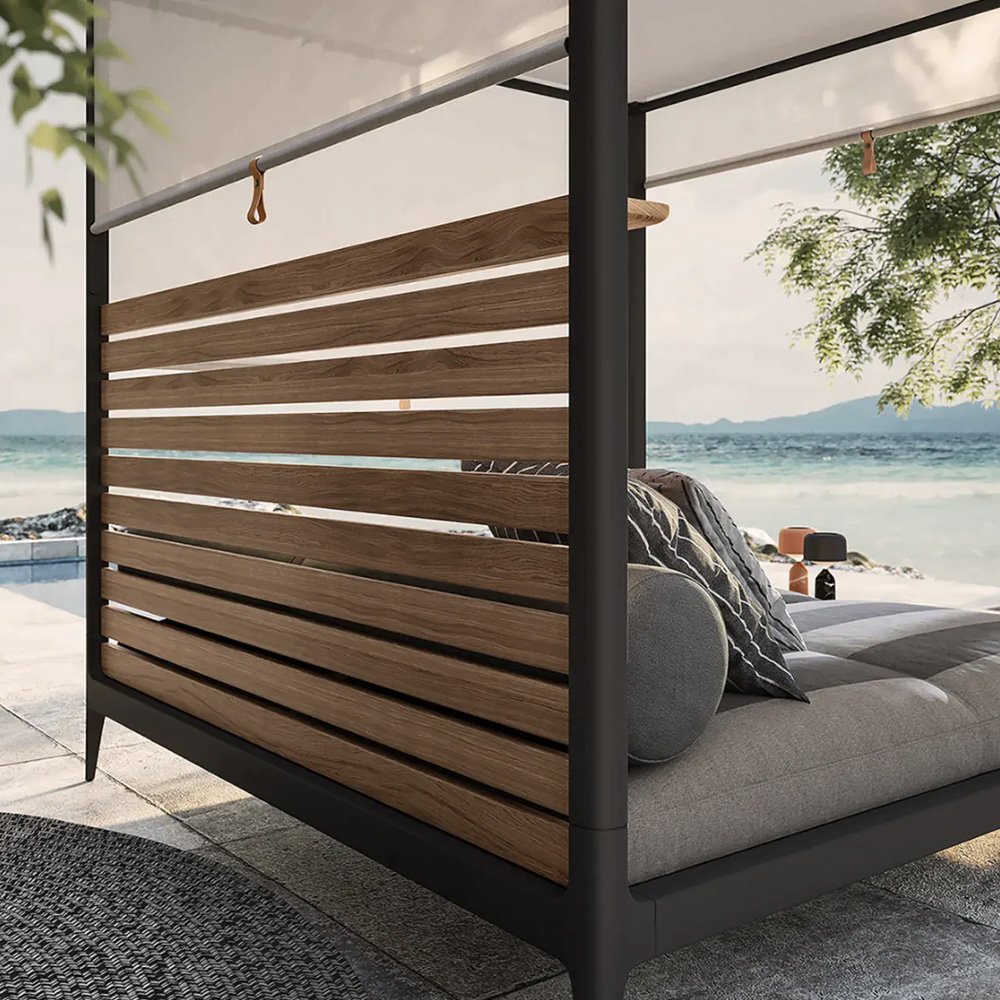
Outdoor wood furniture is prized for its natural look and durability, but when exposed to the elements, it faces multiple risks. The main threats include UV rays, rain, humidity fluctuations, and pests. These factors can cause fading, cracking, warping, or even rotting. Without proper care, even high-quality wood cannot maintain its beauty and longevity.
Understanding and implementing effective strategies for How to protect outdoor wood furniture not only extends its lifespan but also keeps your outdoor spaces looking attractive and inviting.
1. Protecting Outdoor Wood Furniture from Sun Damage
1.1 Effects of Sun Exposure on Wood
UV rays can break down the wood fibers, leading to fading, drying, and cracking. Different types of wood react differently to sunlight. Teak and cedar, for example, are relatively sun-resistant, while pine and oak are more vulnerable.
1.2 Practical Sun Protection Strategies
To protect your furniture from sun damage, consider the following methods:
- Use UV-resistant sealants and finishes: Apply outdoor-specific wood protection coatings to form a barrier against harmful UV rays.
- Use protective furniture covers: Cover your furniture when not in use to minimize direct sunlight exposure.
- Strategic placement: Place furniture in shaded areas or under umbrellas.
1.3 Maintenance Tips for Sun-Exposed Furniture
- Regularly inspect surfaces for cracks or fading.
- Reapply wood oil or sealant seasonally to maintain a protective layer.
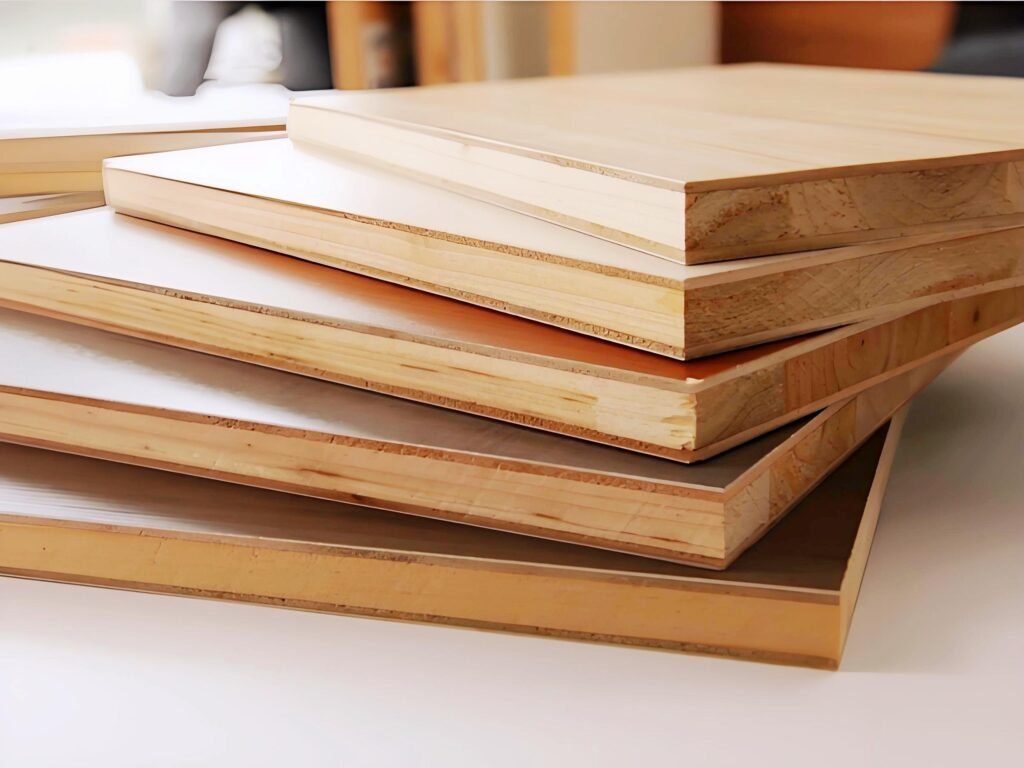
2. Protecting Outdoor Wood Furniture from Rain and Moisture
2.1 Effects of Moisture on Wood
Exposure to rain and high humidity can cause wood to swell, warp, or develop mold and mildew, eventually leading to rot. Prolonged moisture can also compromise the structural integrity of your furniture.
2.2 Preventive Measures Against Rain
Choosing the right wood and protective methods is essential:
- Select water-resistant wood: Teak, cedar, and eucalyptus are naturally durable and resist water damage.
- Apply water-repellent sealants: This helps reduce water absorption and protect the wood.
- Elevate furniture: Keep furniture off the ground to avoid water pooling.
2.3 Routine Maintenance Tips
- Wipe off water promptly after rain to prevent absorption into the wood.
- Clean mold or mildew with mild detergents, avoiding harsh chemicals that can damage the wood.
Table: Rain Protection Tips by Wood Type
| Wood Type | Water Resistance | Recommended Protection Measures |
|---|---|---|
| Teak | High | Apply sealant regularly |
| Cedar | Medium | Use UV-resistant finish and protective cover |
| Eucalyptus | High | Check wood grain regularly and keep dry |
3. Protecting Outdoor Wood Furniture from Pests
3.1 Common Outdoor Wood Pests
Outdoor wood furniture is susceptible to termites, carpenter ants, beetles, and other insects. Early signs of infestation include small holes, wood dust, or weakened wood structure.
3.2 Prevention Strategies
- Choose pest-resistant or treated wood: Teak is naturally pest-resistant, or opt for professionally treated wood.
- Apply insect-repellent finishes or oils: This forms a protective layer against insects.
- Regular inspections: Check furniture quarterly, especially the underside and joints, and treat early signs of infestation.
3.3 Professional Pest Control Options
For severe infestations, professional treatment may be necessary. Safe options include insecticide treatments or heat treatment, ensuring the furniture remains unharmed.
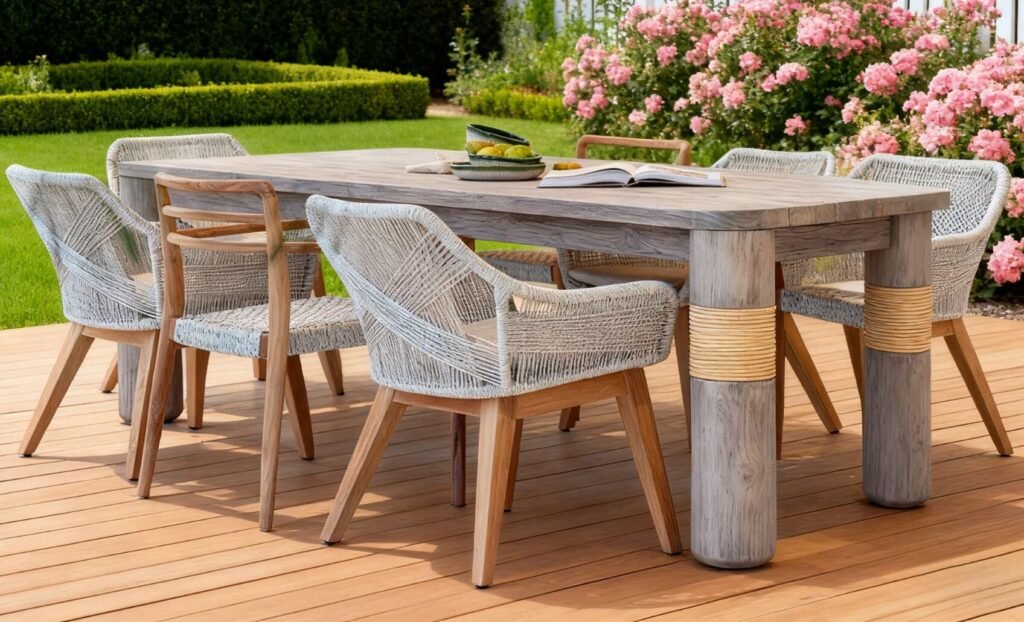
4. Combining Protection Strategies for Maximum Longevity
Combining sun, rain, and pest protection strategies maximizes durability:
- Conduct a comprehensive maintenance routine every season, including cleaning, sealing, and pest inspection.
- Adjust protection measures according to the season—for example, reinforce water protection during the rainy season and UV protection during summer.
- Using high-quality protective products recommended by professionals ensures longer furniture life and lower maintenance costs.
Seasonal Maintenance Checklist
| Season | Main Tasks | Recommended Measures |
|---|---|---|
| Spring | Cleaning, re-oiling | Remove mold, apply sealant |
| Summer | Sun protection, shading | Use UV-resistant finishes and covers |
| Fall | Pest inspection | Check wood grain and bottom surfaces, apply insect repellent |
| Winter | Rain protection, frost prevention | Use waterproof covers or move indoors |
5. Common Mistakes to Avoid
- Using harsh chemicals that strip natural oils and protective layers from the wood.
- Neglecting regular inspections and sealant reapplication, allowing small issues to escalate.
- Improper storage, such as leaving furniture outdoors during the rainy season, increasing the risk of rot and pest damage.
6. Conclusion: Keep Your Outdoor Wood Furniture Beautiful and Durable
Implementing effective How to protect outdoor wood furniture strategies can significantly extend the life and appearance of your furniture.
Key takeaways:
- Sun Protection: Apply UV-resistant finishes, position furniture in shaded areas, and use covers.
- Rain Protection: Choose water-resistant wood, apply sealant regularly, and keep furniture dry.
- Pest Protection: Use pest-resistant wood, apply insect repellents, and inspect regularly.
With professional care and high-quality protective products, every piece of outdoor wood furniture can remain durable and attractive, creating a stylish and comfortable outdoor space.
Email us at info@ligointl.com today for a free quote and expert guidance!
FAQ
Q1: How often should I seal my wood furniture for sun protection?
A: Typically once or twice a year, depending on sunlight exposure.
Q2: Can I use household oils for pest prevention?
A: Natural oils like teak oil may help, but professional insect-repellent finishes are more reliable.
Q3: What’s the best way to store outdoor furniture during the rainy season?
A: Use waterproof covers, elevate furniture, or move indoors if possible.
Q4: Are certain wood types naturally resistant to both sun and pests?
A: Yes, teak, cedar, and eucalyptus are naturally durable against UV, moisture, and insects.