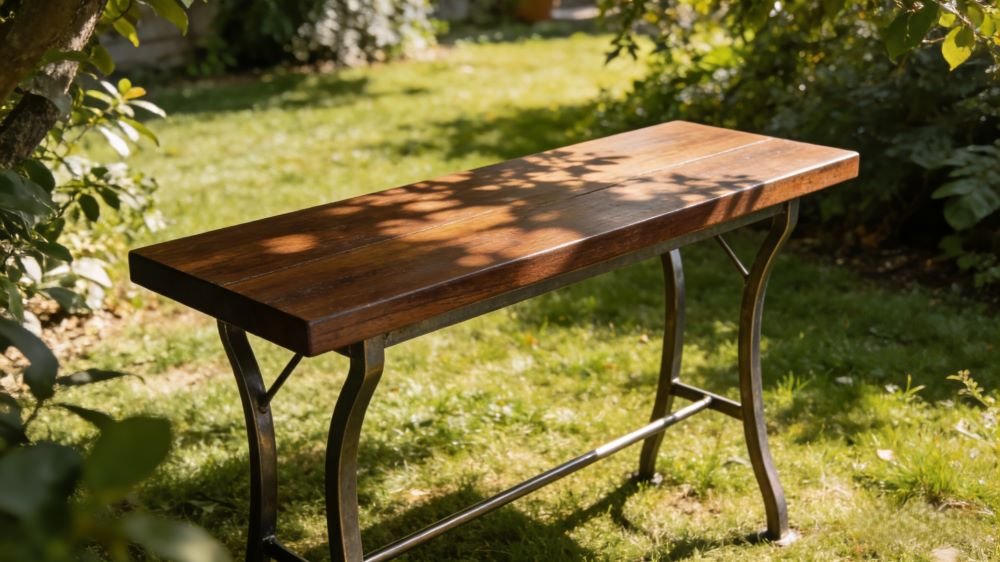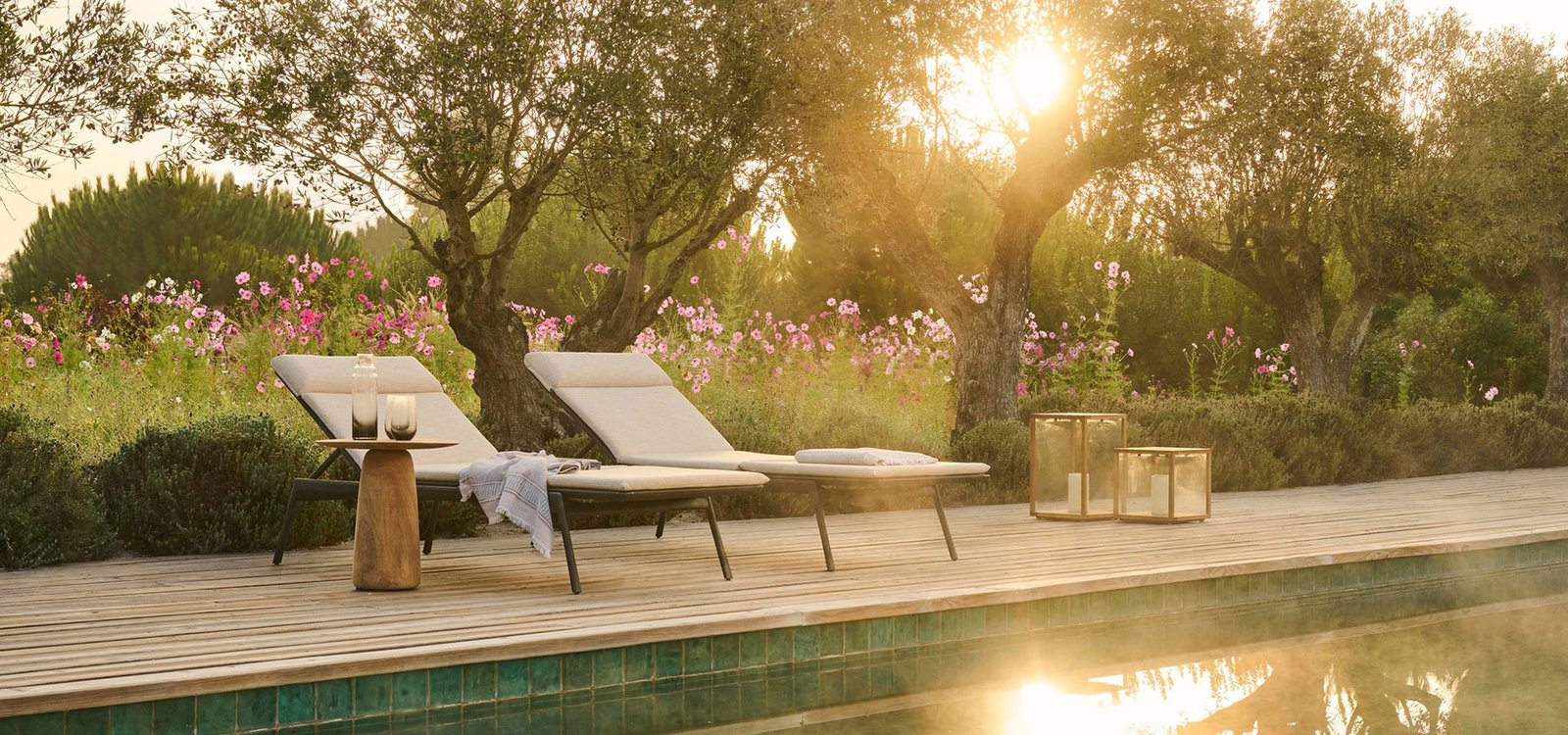
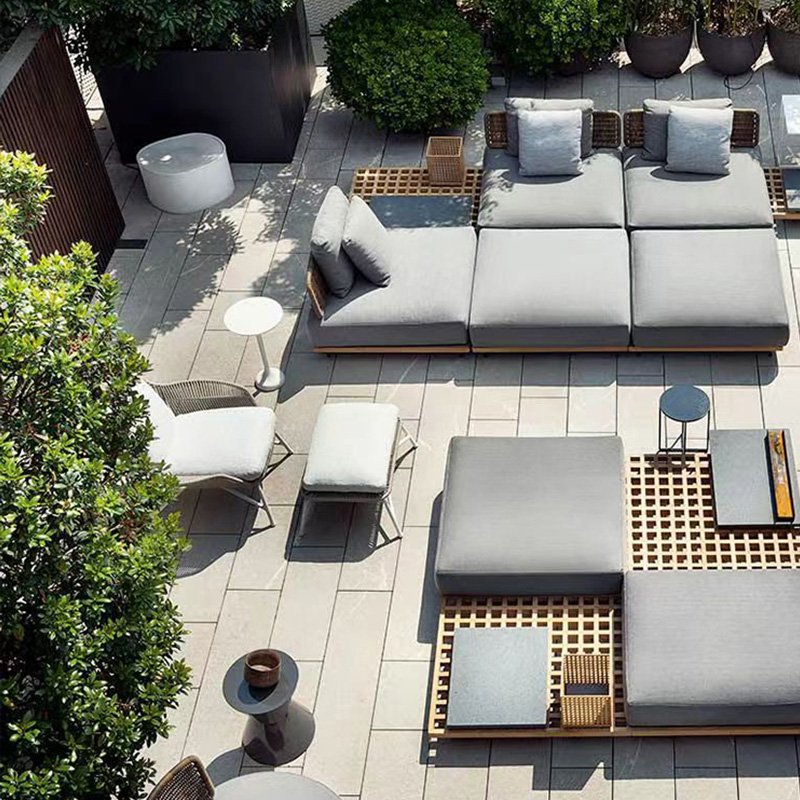
Arranging outdoor furniture effectively can transform your patio, deck, or garden into a comfortable, stylish, and functional space. Many homeowners ask, how to arrange outdoor furniture, because even high-quality pieces can feel cramped or underutilized without thoughtful planning. This guide provides practical tips, layout strategies, and maintenance advice to help you make the most of your outdoor area.
1. Assess Your Outdoor Space
Before placing any furniture, it’s crucial to evaluate your space and plan strategically. Start by asking yourself three key questions:
1.1 What is the primary function of your patio?
Determine whether the space will mainly serve as:
- Relaxation: For reading, sipping tea, or enjoying quiet moments.
- Social gatherings: Dining, barbecues, or entertaining guests.
- Gardening and greenery: Flower beds, vegetable patches, or potted plants.
Understanding the main function helps define layout priorities. For example, a social area needs open space for movement and flexible seating, while a gardening zone requires consideration for sunlight, water drainage, and plant accessibility.
1.2 Who will be using the space most frequently?
Consider the specific needs of all users:
- Seniors: Choose non-slip flooring and sturdy furniture for safety.
- Children: Allocate clear open areas for play and select rounded-edge furniture.
- Pets: Dedicate corners or shaded spots for comfort.
These details ensure the patio is both functional and enjoyable for everyone.
1.3 What is your budget and available effort?
Budgeting helps prioritize investments:
- Focus on high-use areas, such as a cozy seating zone or dining table for frequent gatherings.
- Invest in lifestyle-specific features like outdoor kitchens or shade structures.
- Smaller decorative elements can be minimal if funds are limited, without compromising overall function.
Answering these questions first provides a strong foundation for choosing the right furniture and arranging it effectively.
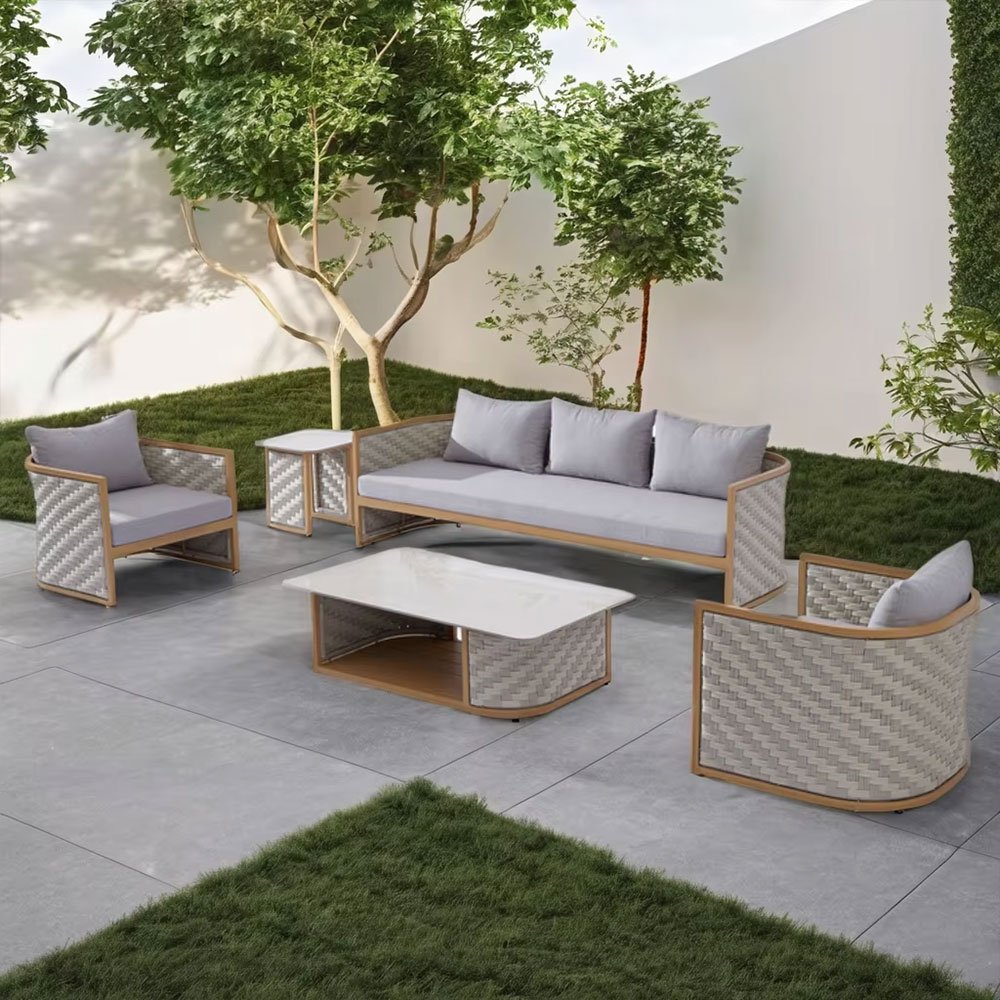
2. Choose the Right Furniture Pieces
Selecting furniture that suits your space, style, and lifestyle is critical:
| Consideration | Tips | Example |
|---|---|---|
| Size & Scale | Measure your patio and choose appropriately sized pieces | Two chair patio set for small balconies |
| Type | Dining sets, lounge chairs, modular sofas, or compact bistro sets | Patio dining set for social zones |
| Flexibility | Opt for lightweight or movable furniture to adjust layouts | Folding tables or stackable chairs |
| Material & Durability | Consider weather-resistant wood, aluminum, or synthetic fibers | Acacia or teak furniture for longevity |
Proper selection ensures comfort and facilitates creative arrangement options.
3. Layout Strategies for Different Spaces
3.1 Small Patios or Balconies
- Use compact furniture like a two chair patio set or small bistro table.
- Place seating near walls or railings to maximize open space.
- Consider foldable or multifunctional furniture for flexibility.
3.2 Medium-Sized Patios
- Define functional zones: dining area, lounge area, reading corner.
- Use outdoor rugs or planter boxes to visually separate spaces.
- L-shaped or U-shaped furniture arrangements encourage conversation.
3.3 Large Gardens or Decks
- Create multiple activity zones for entertaining, lounging, or dining.
- Establish a focal point like a fire pit, fountain, or large dining table.
- Use modular sofas and lounge sets to form social clusters.
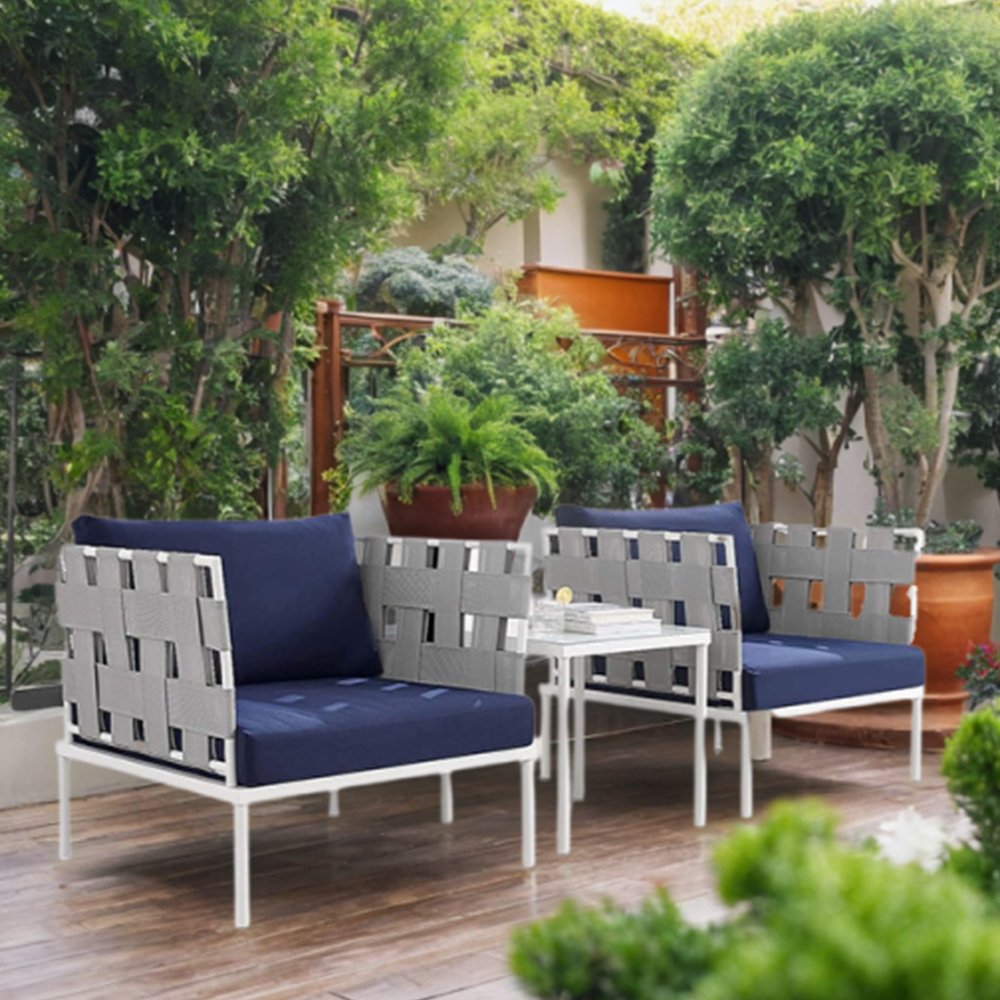
4. Optimize Comfort and Style
- Seating arrangement: Face seating areas toward each other to enhance interaction.
- Traffic flow: Ensure pathways are unobstructed for smooth movement.
- Shade & shelter: Incorporate umbrellas, pergolas, or awnings for sun protection.
- Decor & accessories: Add cushions, outdoor lighting, and small decor elements to improve style and usability.
It’s also important to consider shade and shelter. According to a 2023 study on semi-outdoor university spaces published in MDPI’s Buildings Journal, users tend to spend significantly more time in areas that offer sheltered seating with landscape views, as these environments increase both physical comfort and emotional relaxation (MDPI, Buildings Journal, 2023).
Applying this finding to residential and commercial patio design means integrating elements like pergolas, umbrellas, or retractable awnings to create shade and comfort zones. When your guests feel protected from harsh sunlight yet visually connected to nature, they’re more likely to enjoy and stay longer in the space.
5. Seasonal and Practical Considerations
- Protect furniture from harsh weather with covers or moveable storage solutions.
- Plan layouts that allow easy cleaning, maintenance, and furniture repositioning.
- Consider materials that withstand sun, rain, or snow to reduce long-term wear.
6. Conclusion
Learning how to arrange outdoor furniture effectively enhances both the comfort and visual appeal of your patio. By assessing your space, understanding user needs, selecting suitable furniture, and applying thoughtful layout strategies, you can transform any outdoor area into a stylish and functional haven.
At Outdoor Whale, we specialize in premium outdoor furniture and customized solutions, from cozy two chair patio sets to full patio dining collections. Our expert team helps you create a space tailored to your lifestyle and outdoor environment. Contact info@ligointl.com today to explore our products and request a personalized quote for your patio setup.