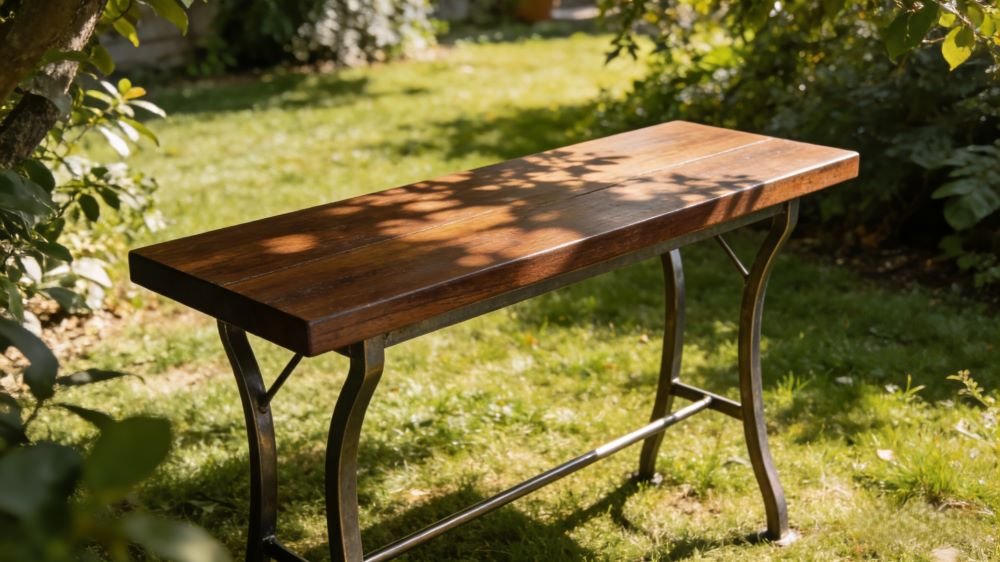
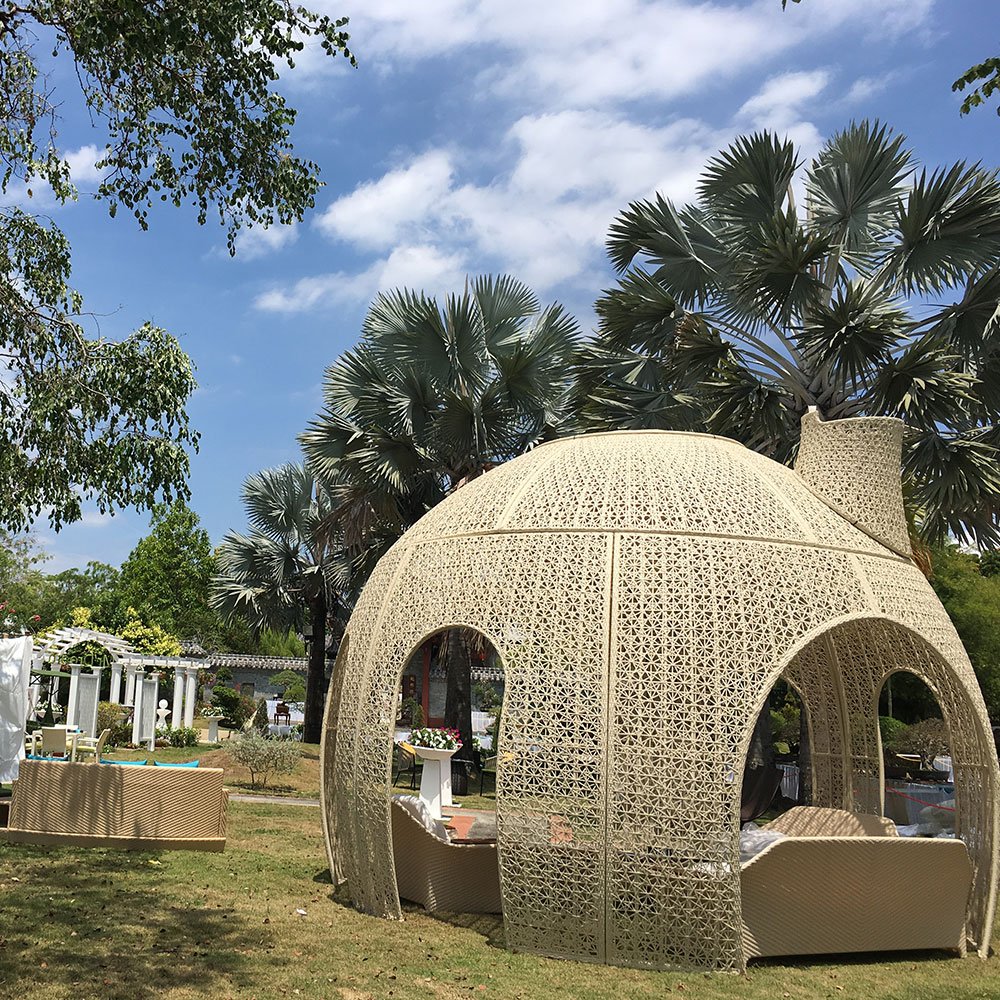
In recent years, eucalyptus wood furniture has gained popularity for its affordability and availability. But when it comes to eucalyptus patio furniture durability or eucalyptus outdoor furniture durability, homeowners often ask: is eucalyptus wood good for outdoor furniture?
This article takes a closer, data-driven look at the material’s core characteristics, durability, and best-use scenarios—helping you decide whether eucalyptus is the right choice for your outdoor setup.
1. Understanding the Characteristics of Eucalyptus Wood
Eucalyptus is a broad genus under the Myrtaceae family, native to Australia but now cultivated across tropical and subtropical regions, including South China, Brazil, and Africa. More than 700 species exist, but the most common types used in furniture include Red Grandis, Blue Gum (Eucalyptus globulus), and Lemon Eucalyptus.
Eucalyptus Wood Furniture Lifespan and Durability
The lifespan of eucalyptus wood furniture largely depends on species, drying process, and protective finishes. Properly kiln-dried eucalyptus, sealed with outdoor-grade finishes, can achieve 5–7 years of durability outdoors. Regular maintenance further extends its life, making it a viable choice for decorative or lightweight outdoor furniture.
Eucalyptus Wood Furniture Key Properties
- Rapid Growth – Eucalyptus trees mature in just 5–10 years, making them one of the fastest-growing hardwood species.
- Density & Hardness – The density varies by species. For example, Blue Gum averages about 820 kg/m³ (51 lb/ft³) in dry weight with a Janka hardness of 2,370 lbf, and a modulus of rupture (MOR) of 134.7 MPa (The Wood Database).
- Texture & Color – Eucalyptus typically features straight or slightly wavy grain patterns with reddish-brown tones.
- Dimensional Stability – Because it grows quickly, the wood fibers are relatively loose, which makes it prone to cracking or warping if not properly dried.

2. Classification and Quality Ranking
| Category | Typical Wood Types | Main Features |
|---|---|---|
| High-end hardwoods | Teak, Oak, Walnut | Exceptional durability, high density, elegant grain, long lifespan |
| Mid-range hardwoods | Ash, Beech, Elm | Balanced performance, moderate cost |
| Economical hardwoods | Pine, Poplar, Eucalyptus | Low cost, light density, less stable under extreme weather |
Eucalyptus wood typically belongs to the low-cost hardwood category. While affordable and sustainable, it cannot compete with high-end hardwoods in long-term stability or moisture resistance, especially when exposed to harsh outdoor environments.
3. Durability and Limitations
While some eucalyptus species show decent hardness, the material as a whole has several drawbacks when used outdoors:
- Limited Structural Strength:
Lower-density eucalyptus species may dent or deform under pressure, making them less ideal for weight-bearing furniture like bed frames or benches. - Warping and Cracking:
Due to its high moisture content and natural shrinkage rates—radial 6.8%, tangential 12.8%—the wood can warp or split in environments with extreme humidity changes. - Ordinary Aesthetics:
Though its texture is decent, eucalyptus lacks the depth and luster found in premium woods like walnut or teak. Many manufacturers use stains or veneers to enhance its look, which may reduce eco-friendliness. - Scent and VOCs:
Certain eucalyptus species, like Lemon Eucalyptus, release a distinct aroma. Combined with industrial adhesives or chemical finishes, this can contribute to volatile organic compounds (VOCs) that affect indoor air quality.
4. Data-Backed Performance: Not All Eucalyptus Is the Same
Some engineered eucalyptus hybrids show improved performance. For example, Lyptus® wood—a hybrid of Eucalyptus grandis and Eucalyptus urophylla—offers higher density and stability, making it more suitable for furniture requiring greater strength (The Wood Database).
This indicates that not all eucalyptus wood is weak—the performance largely depends on the species, drying process, and protective finishing applied during manufacturing.
5. When Is Eucalyptus Wood a Good Choice?
Despite its weaknesses, eucalyptus can be a practical option for specific scenarios:
- Short-term or rental furniture where longevity is less critical
- Children’s furniture or lightweight indoor decor
- Decorative outdoor pieces that are not directly exposed to rain or sunlight
When properly kiln-dried and sealed with outdoor-grade finishes, eucalyptus wood can last up to 5–7 years outdoors, as suggested by tests from multiple forestry studies (FAO Forestry Paper 151).
6. Eucalyptus vs Teak for Outdoor Furniture
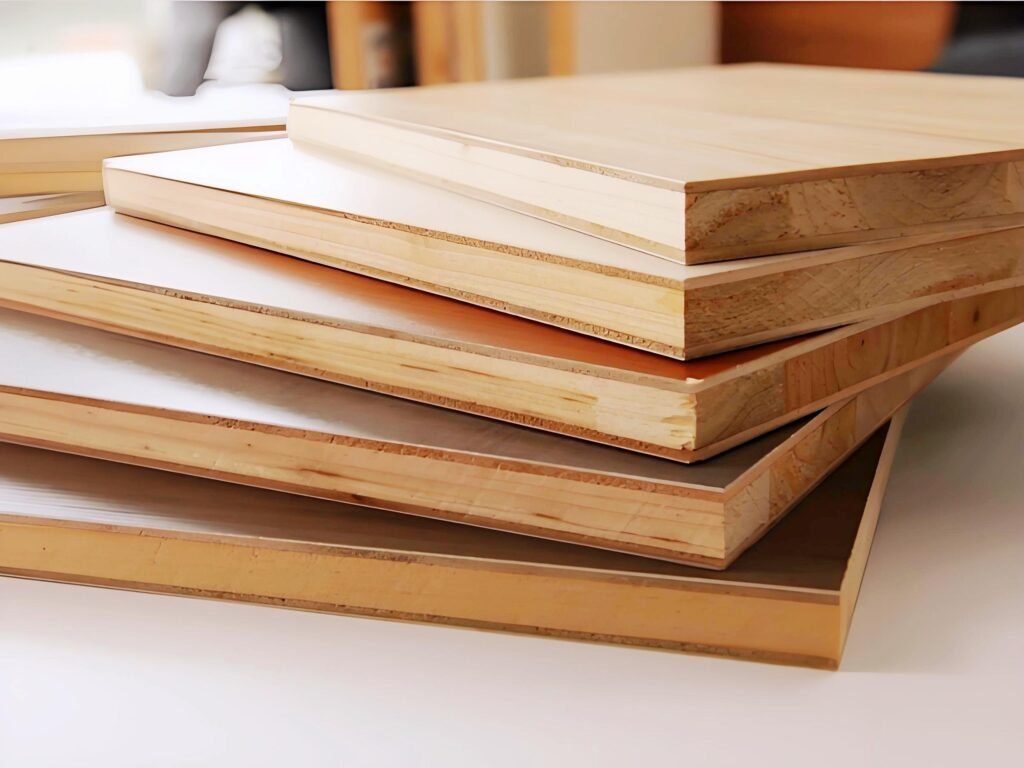
While teak offers superior water resistance, longevity, and minimal maintenance, eucalyptus is lighter, more affordable, and sustainable. For long-term outdoor use, teak may be preferred. However, eucalyptus is suitable for decorative pieces, short-term outdoor setups, or budget-conscious projects.
Other alternatives include acacia and oak, which provide better stability and durability while remaining cost-effective.
7. Best Alternatives to Eucalyptus
If you’re seeking longer-lasting and more stable materials, consider these alternatives:
| Wood Type | Benefits |
|---|---|
| Teak | Naturally water-resistant, highly durable, and requires minimal maintenance |
| Acacia | Budget-friendly, attractive grain, good resistance to moisture |
| Oak | Excellent structural integrity and beautiful texture for high-end furniture |
These options may require higher upfront costs, but they offer superior longevity and overall value.
8. Final Verdict
“Is eucalyptus wood good for outdoor furniture?” Yes — under proper care, but not for every condition.
If you only need furniture that is economical, decorative, or for short-term use, eucalyptus wood may be sufficient; But if you pursue long-term durability, structural strength, and aesthetics, you should consider higher grade hardwood.
At Outdoor Whale, we take these challenges seriously. With years of expertise in outdoor furniture, we use strict material selection and advanced finishing to guarantee lasting strength and elegance.
Reach out to Outdoor Whale — your trusted partner for premium outdoor furniture solutions.
FAQ
Q1: Is eucalyptus a good wood for outdoor furniture?
Yes, eucalyptus can be suitable for outdoor furniture if properly dried, sealed, and maintained, though it doesn’t match the durability of teak.
Q2: How long does eucalyptus wood furniture last outdoors?
With proper finishing and protection, eucalyptus furniture can last 5–7 years outdoors.
Q3: How does eucalyptus compare to teak for patio furniture?
Teak has superior moisture resistance and longevity. Eucalyptus is more affordable and sustainable but less stable in extreme outdoor conditions.
Q4: How can I improve the durability of eucalyptus patio furniture?
Apply outdoor-grade sealants, avoid prolonged exposure to rain or direct sunlight, and clean gently to prevent cracking or warping.
Q5: Is eucalyptus wood furniture eco-friendly?
Yes, eucalyptus is fast-growing and renewable, making it a sustainable option for environmentally conscious outdoor furniture.