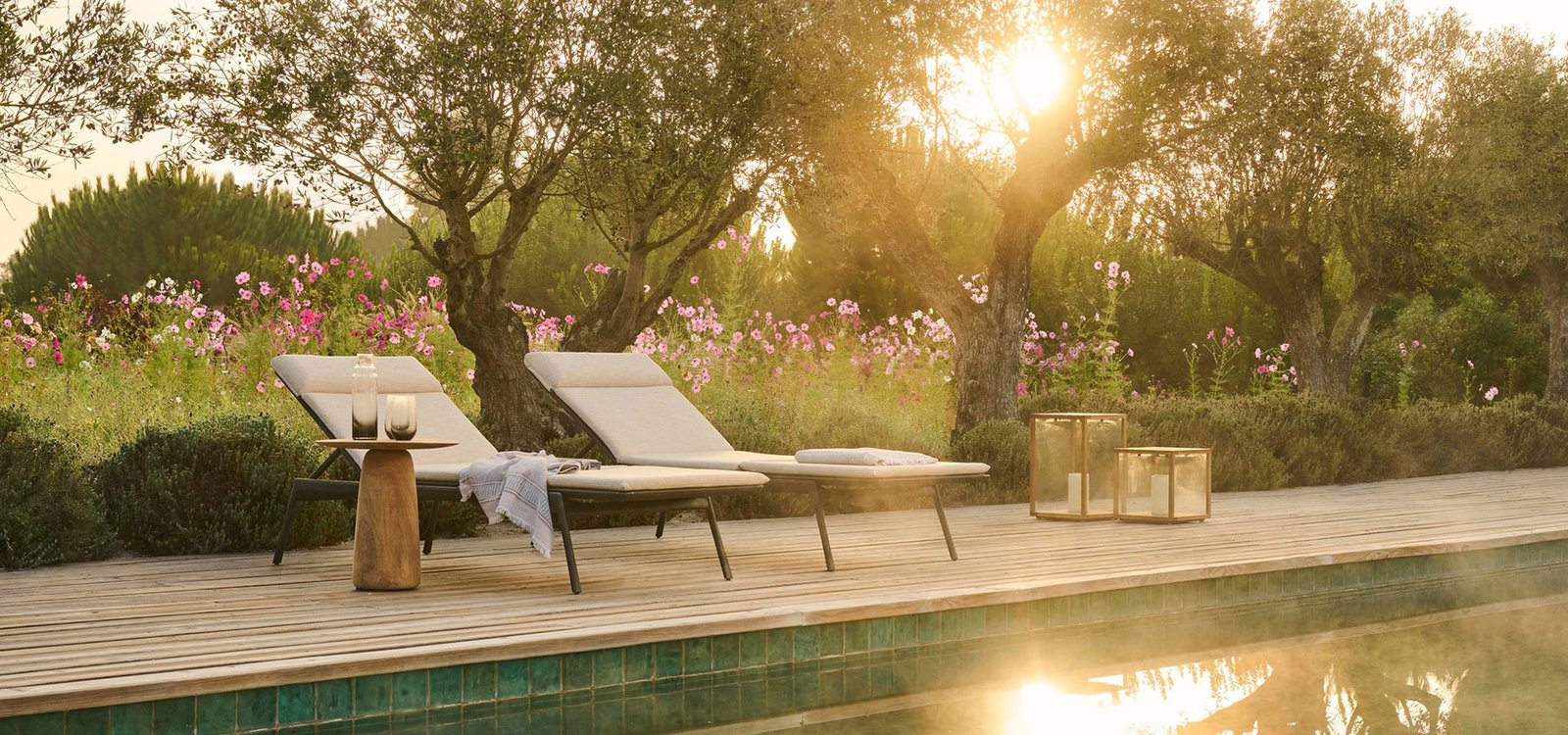
Outdoor furniture enhances the beauty of our outdoor spaces and provides comfort for relaxation. However, prolonged exposure to sunlight, rain, and dust can cause wear and tear. Regular cleaning and maintenance are essential not only for preserving the aesthetic appeal of your furniture but also for extending its lifespan.
In this article, we will focus on how to clean metal outdoor furniture and furniture made from mixed materials. As outdoor furniture comes in a variety of materials, each requires a unique approach to cleaning. Understanding the proper cleaning methods for different materials will help keep your furniture in top shape for years to come.
1. Understanding Different Materials for Outdoor Furniture
1.1 Metal Furniture (Aluminum, Stainless Steel)
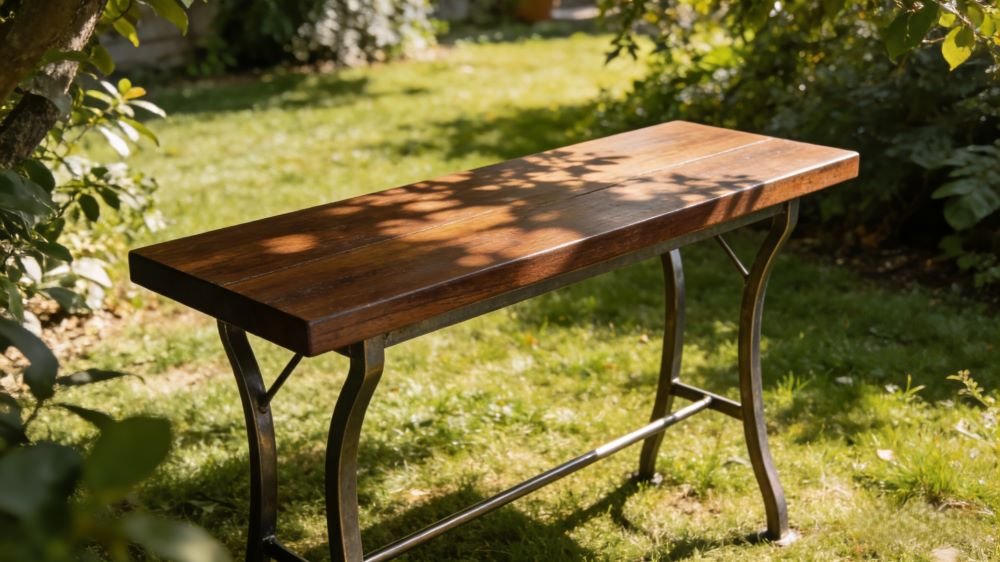
- Metal furniture is known for its durability and weather resistance. Aluminum and stainless steel are the most common metals used in outdoor furniture. These materials are not only robust and durable but also perform excellently in outdoor environments.
- Key Features: Durable, corrosion-resistant, and weatherproof, making them ideal for various climate conditions. Metal furniture can be designed to fit both modern and traditional outdoor decor styles.
1.2 Wooden Furniture (Teak, Eucalyptus, Birch, etc.)
- Wooden furniture offers natural beauty but can be more vulnerable to sun, moisture, and wear. The durability of wooden furniture varies by type, with teak being one of the most premium choices, known for its natural oils that resist water and corrosion.
- Key Features: Elegant and natural appearance, but requires periodic care to prevent cracking or warping. Teak, in particular, is great for users looking for a timeless and beautiful option.
1.3 Wicker and Rattan Furniture
- Wicker furniture is lightweight and decorative, making it perfect for a relaxed outdoor setting.
- Key Features: Breathable, but special care is needed to prevent moisture buildup, which can damage the material. Ideal for shaded or semi-sunny areas.
1.4 Fabric Furniture
- Outdoor fabric furniture, such as cushions and pillows, adds a cozy touch to your space. However, they can easily absorb dirt and stains, especially in moist environments.
- Key Features: Lightweight and easy to replace, but prone to dirt and stains. Water-resistant fabric and UV protection are essential for outdoor fabric furniture.
1.5 Mixed-Material Furniture
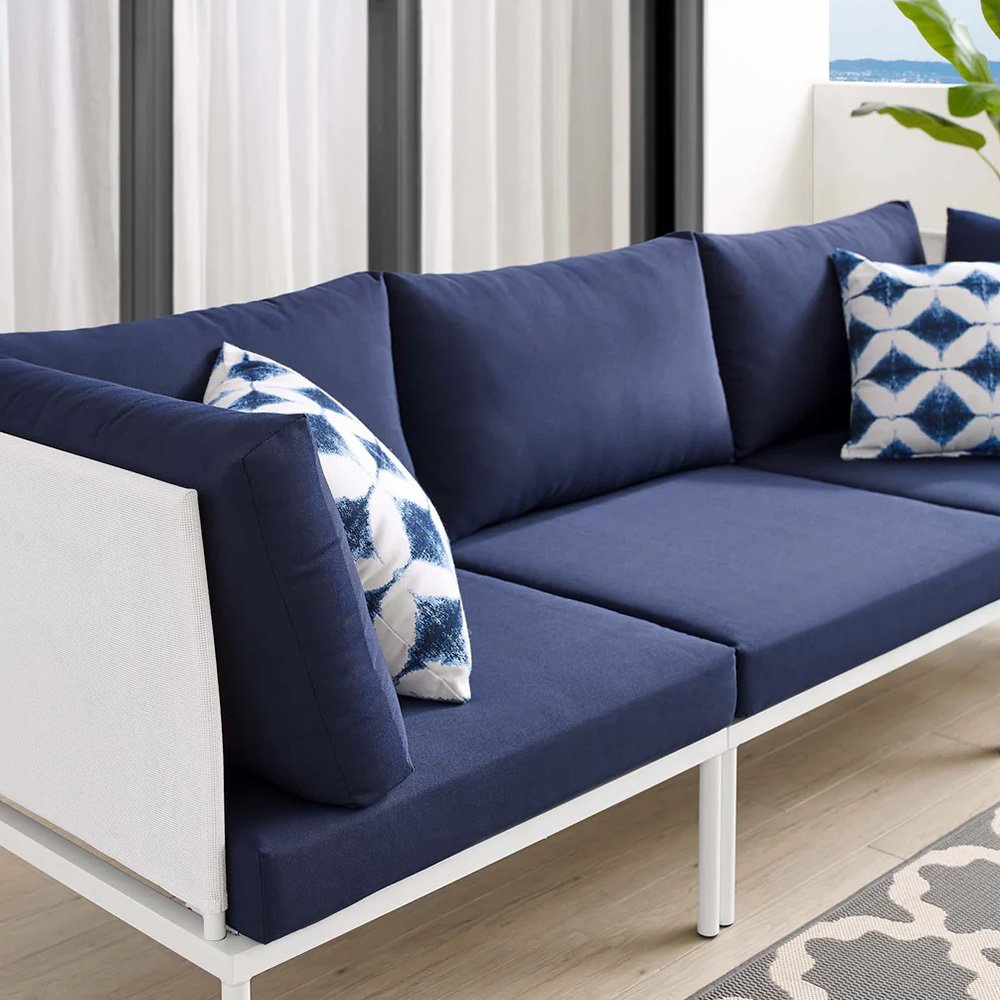
- Mixed-material furniture combines metal, wood, and fabric, providing greater design flexibility while maintaining functionality.
- Key Features: Offers more variety in design but requires different maintenance strategies for each material used.

2. Step-by-Step Guide to Cleaning Metal and Mixed-Material Outdoor Furniture
Outdoor furniture is rarely made from metal alone. In most cases, metal frames are combined with other materials such as wood, wicker, rope, and fabric to enhance comfort, functionality, and design. To keep your furniture in the best condition, each material requires a different cleaning and maintenance approach. In the following sections, we will guide you through how to properly clean and care for each part of mixed-material outdoor furniture, helping preserve its appearance, performance, and lifespan.
2.1 Metal Furniture (Aluminum, Stainless Steel, etc.)
Metal furniture is known for its durability and weather resistance, making it a popular choice for outdoor spaces. Regular cleaning is essential to prevent rust, corrosion, and maintain its appearance.
Cleaning Steps:
- Dust Removal: Use a soft cloth or sponge to gently wipe off dust and loose dirt from the metal surface.
- Removing Stains: Clean the surface with a mild detergent solution (e.g., soap and water). Avoid using strong acids or alkalis, as they may damage the protective coating.
- Tough Stains: For stubborn stains, use a metal cleaner specifically designed for outdoor furniture. Be sure to follow the instructions carefully.
- Rust Prevention: Regularly apply a corrosion-resistant spray or wax, especially for furniture placed in humid or coastal environments. This will help prevent rust.
- Touch-Up Paint: If you notice small scratches or paint chips, promptly touch up the affected areas with appropriate paint to avoid exposure to the elements.
2.2 Wooden Furniture (Teak, Eucalyptus, Oak, etc.)
Wooden furniture adds a natural aesthetic to your outdoor space, but it is highly affected by weather and environmental factors. Regular maintenance is crucial to keep it looking good and lasting longer.
Cleaning Steps:
- Daily Cleaning: Use a soft-bristled brush or vacuum cleaner to remove dust and dirt from the surface. Avoid hard brushes that could scratch the wood.
- Gentle Wipe: Use a damp cloth soaked in mild soapy water to wipe the wooden surface. Be careful not to leave excess water, as it can lead to swelling or warping.
- Wood Waxing: Every few months, apply a layer of wood wax to nourish and protect the wood. For teak wood furniture, it’s recommended to do this every six months. Sand the surface lightly with fine-grit sandpaper before applying the wax.
- Waterproofing: For wood that is exposed to rain or moisture, use a wood protective oil to enhance its waterproofing and durability.
2.3 Wicker Outdoor Furniture
Wicker furniture is light, comfortable, and aesthetically pleasing, but it requires specific care to prevent damage from the elements.
Cleaning Steps:
- Dust Removal: Use a soft-bristled brush or vacuum cleaner to remove dust from the wicker surface. Be gentle to avoid damaging the material.
- Wipe Down: Use a damp cloth to gently wipe the surface of the wicker. You can use mild soap and water if needed, but make sure the furniture dries completely.
- Avoid Moisture: Wicker furniture should not be left in humid or damp conditions for extended periods. If it gets wet, ensure it dries thoroughly before using it again.
- Avoid Heat: Keep wicker furniture away from direct heat sources, such as heaters or open flames, as excessive heat can cause the wicker to warp or soften.
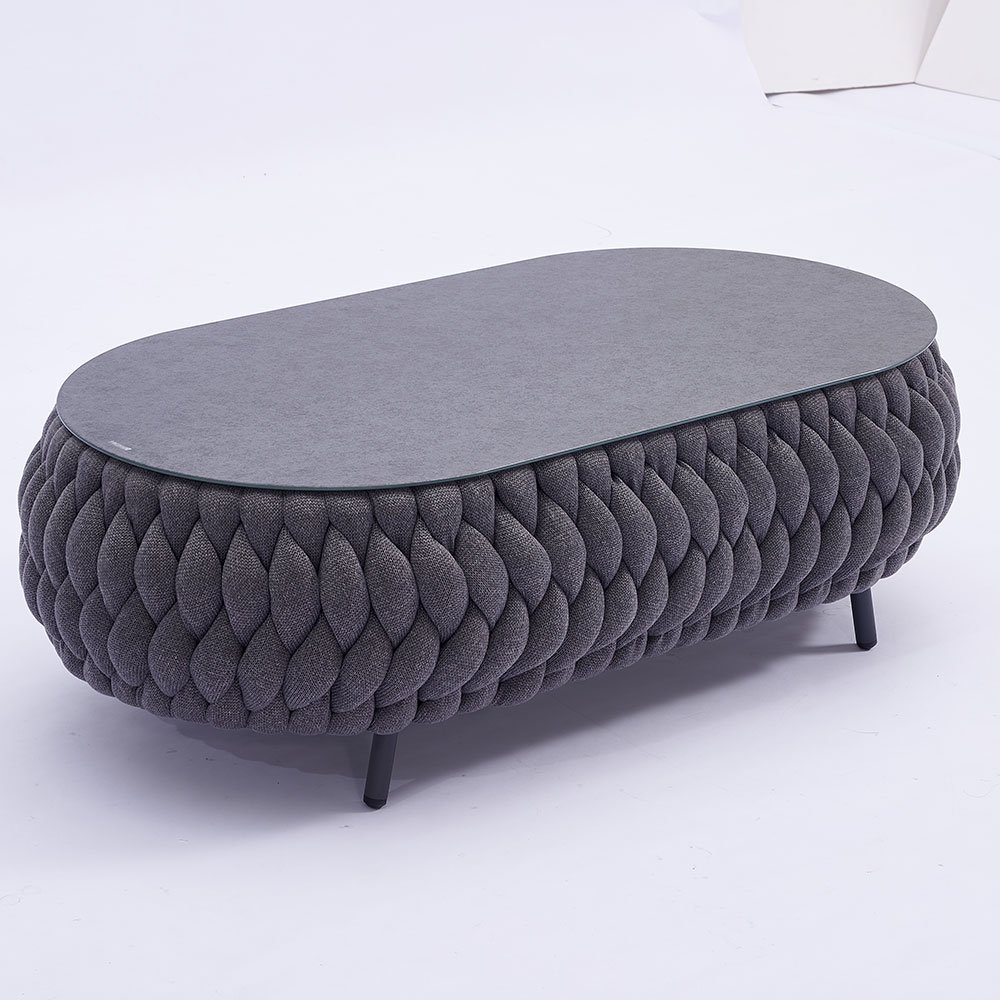
2.4 Rope Outdoor Furniture
Rope furniture is commonly found in modern and lounge-style outdoor furniture. While it is lightweight and stylish, it needs proper care to ensure longevity.
Cleaning Steps:
- Stain Removal: Use a mild detergent or soapy water to clean the rope surface. Avoid using harsh cleaning chemicals that may weaken the fibers.
- Rinse Thoroughly: After cleaning, rinse the furniture with water to remove any detergent residue.
- Avoid Sun Exposure: Rope materials can fade and deteriorate when exposed to direct sunlight for prolonged periods. Place your furniture in a shaded area or cover it when not in use.
- Prevent Scratches: Avoid using sharp objects that may scratch or damage the rope surface.
2.5 Fabric Outdoor Furniture (Cushions, Pillows, etc.)
Fabric outdoor furniture enhances comfort and style, but it is more prone to stains and dirt. Regular cleaning helps maintain its appearance and hygiene.
Cleaning Steps:
- Vacuuming: Start by using a vacuum cleaner to remove dust and dirt from the fabric surface.
- Spot Cleaning: For small stains, use a damp cloth with mild soap water to gently dab the stain from the outer edges inward. Avoid rubbing the fabric too hard, as this can spread the stain.
- Fabric Cleaner: For tougher stains, use a fabric-specific cleaner. Always test the cleaner on an inconspicuous area first to ensure it doesn’t cause fading or discoloration.
- Drying: After cleaning, allow the fabric to air dry fully before using it again. Avoid leaving wet cushions in a humid or moist area, as this can lead to mold or mildew growth.
3. Different Metal Types Require Different Cleaning Methods
Not all metal outdoor furniture should be cleaned the same way. Different metals and surface treatments react differently to water, cleaners, and physical abrasion. Understanding the specific type of metal used in your outdoor furniture helps you choose the correct cleaning method, avoid surface damage, and extend the overall lifespan of the product.
3.1 Aluminum Outdoor Furniture
Aluminum is one of the most commonly used materials for outdoor furniture due to its lightweight structure and natural resistance to rust and corrosion. It performs especially well in humid and coastal environments.
How to clean aluminum outdoor furniture:
- Remove loose dirt and dust using a soft cloth or sponge.
- Clean the surface with mild soap and warm water.
- Rinse thoroughly with clean water to remove any residue.
- Dry completely with a soft towel to prevent water spots.
Important tips:
- Avoid abrasive pads or steel wool, as they can scratch the surface or damage the powder-coated finish.
- Do not use acidic or alkaline cleaners, which may cause discoloration.
- For stubborn stains, use a cleaner specifically designed for aluminum outdoor furniture.
3.2 Stainless Steel Outdoor Furniture
Stainless steel is known for its strength, durability, and modern appearance. While it is corrosion-resistant, it can still develop water spots, fingerprints, and surface stains if not cleaned properly.
How to clean stainless steel outdoor furniture:
- Wipe the surface using a soft microfiber cloth to remove dust.
- Clean using mild soap or a stainless steel cleaner.
- Always wipe along the grain of the metal to maintain a uniform finish.
- Rinse with clean water and dry immediately to prevent streaks or spotting.
Important tips:
- Avoid chlorine-based cleaners or bleach, which can damage the protective layer.
- In coastal areas, rinse stainless steel furniture regularly to remove salt deposits.
- Periodic polishing can help maintain shine and reduce visible fingerprints.
3.3 Powder-Coated Metal Furniture
Powder-coated metal furniture features a protective finish that enhances corrosion resistance and improves durability. This coating also provides color stability, but it can be scratched or chipped if handled incorrectly.
How to clean powder-coated metal furniture:
- Use a soft cloth, sponge, or microfiber towel for routine cleaning.
- Wash with mild soap and water only.
- Rinse gently and dry thoroughly after cleaning.
Important tips:
- Never use abrasive cleaners, brushes, or scouring pads.
- Avoid pressure washing, as high water pressure can weaken or damage the coating.
- Inspect the surface regularly for chips or scratches and repair them promptly to prevent corrosion beneath the coating.
4. Conclusion
In conclusion, learning how to clean metal outdoor furniture properly is key to ensuring its longevity and maintaining its appearance. Whether you’re dealing with aluminum, stainless steel, or other types of metal furniture, following the right cleaning techniques can prevent corrosion, remove dirt and grime, and keep your outdoor space looking pristine.
As an outdoor furniture manufacturer with over 10 years of experience, Outdoor Whale places great emphasis on product quality. We are committed to producing high-quality outdoor furniture, reducing your maintenance costs, and providing customized services to create a comfortable outdoor home environment for you. Contact Outdoor Whale immediately for customized solutions!